

𝑂𝑝𝑝𝑜𝑠𝑒 𝑢𝑛𝑙𝑖 𝑟𝑖𝑐𝑒 𝑖𝑚𝑝𝑜𝑟𝑡𝑎𝑡𝑖𝑜𝑛
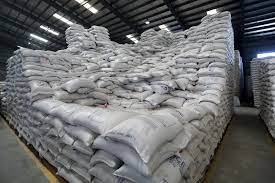
Reacting to news that the Philippines is set to overtake China as the world’s number one rice importer, the Kilusang Magbubukid ng Pilipinas said: “This is very bad for farmers, consumers, and the entire economy. We only have President and Agriculture Secretary Bongbong Marcos Jr. to blame for this situation. His persistence with import liberalization policies is leading the domestic rice industry to its demise. We encourage all sectors and agricultural stakeholders to further reverberate the demand of farmers to strengthen local rice production and to do away with importation,” according to KMP chairperson Danilo Ramos. “Wala nang “unli rice” para sa mga Pilipino dahil sa unli importation ng gobyerno.”
“Ang sabi ng Pangulo gusto niyang maayos ang agrikultura pero kabaligtaran ang nangyayari. Panahon na talaga para umalis siya bilang Kalihim ng Kagawaran ng Agrikultura.”
Based on estimates from the United States Department of Agriculture, for this year, the Philippines will import up to 3.8 million metric tons (MT) while China’s rice imports will decrease to 3.5 million MT. “This is nothing to be proud of. We are an agricultural country and yet we are set to become the world’s top rice importer. Just as we warned about four years ago, RA 11203 or the Rice Liberalization Law led us to this state of food insecurity,” Ramos added. “Importation will never be the solution to the rice crisis. Importation and agricultural trade liberalization are among the contributors to the chronic problems besetting the domestic rice industry.”
The KMP leader said local rice farmers are always at the losing end of importation as palay prices are expected to plummet to their lowest levels whenever rice imports arrive.
The deluge of imported rice into the local market will never be an assurance of cheaper rice. In the end, consumers will have to contend with perenially unaffordable and skyrocketing rice prices.
The economy will also bear the brunt of rice importation as PH’s agricultural trade deficit will further increase especially with the record-high global rice prices and the weakening peso. According to the IBON Foundation, the country’s agricultural trade deficit of US$11.8 billion is the largest in recorded history, while the US$2.8 billion for the first quarter of 2023 is a constant increase since 2020.
KMP also reiterated their firm position against zero tariffs on rice imports. According to KMP chairperson emeritus Rafael Mariano, the government is set to incur an estimated P12 billion in foregone revenues from rice import tariffs if the DOF pushes through with their preposterous proposal.
The farmers group together with Bantay Bigas and various sectors and agricultural stakeholders will lead the Peoples’ Food Summit on September 28 to discuss proposed solutions to the food crisis. ###
 updates from the peasant movement of the Philippines