
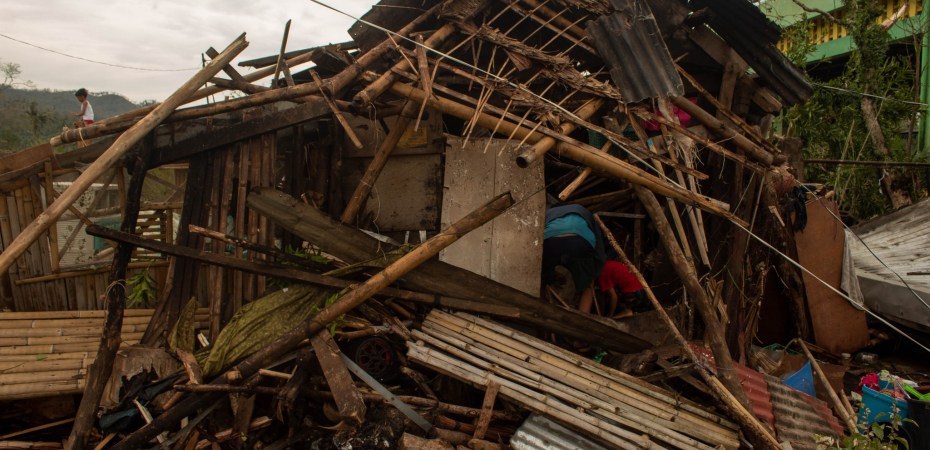
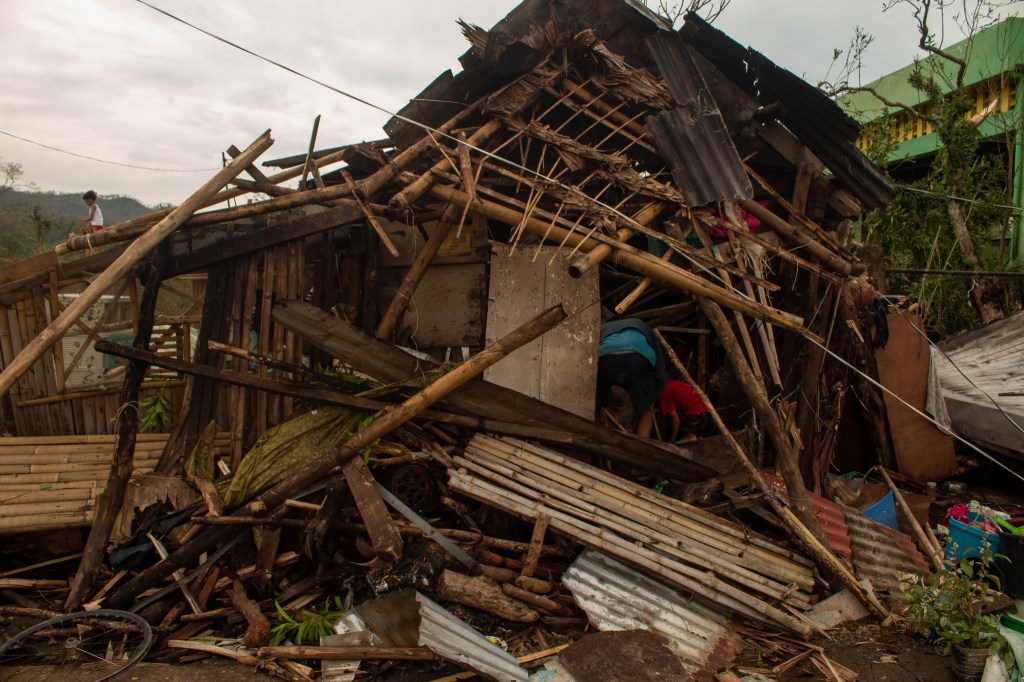
Catanduanes, the abaca capital of the Philippines and a key contributor to 37% of the global abaca fiber supply, is once again grappling with widespread devastation following super typhoon Pepito. The island province, battered by winds of up to 325 kph, suffered catastrophic damages to livelihoods, particularly for abaca farmers (parahag-ot) who have yet to recover from previous disasters. Local fisherfolks are also reeling from the non-stop typhoons that battered Bicol this year.
The Kilusang Magbubukid ng Pilipinas (KMP) and Sagip Kanayunan reported that #PepitoPH displaced tens of thousands of families and caused massive destruction to abaca farms, homes, and infrastructure. Initial assessments point to severe damage in the towns of Panganiban, Pandan, San Andres, Viga, and Gigmoto.
Danilo Ramos, KMP Chairperson, highlighted the growing desperation of Catanduanes farmers: “Sunod-sunod ang kalamidad na tumatama sa Catanduanes, at ang bawat bagyo ay nagdadala ng matinding paghihirap sa mga abaca farmers o parahag-ot. Kailangan natin ng agarang aksyon upang matulungan sila na maibalik ang kanilang kabuhayan.”
Last month, severe tropical storm Kristine alone caused ₱800 million in damages to the abaca sector, impacting more than 13,000 farmers. Even before Pepito, farmers were already dealing with fluctuating abaca prices, disease outbreaks like “bunchy top,” and high land rents imposed by local traders. These challenges have made abaca farming increasingly unsustainable, leaving farmers with dwindling incomes despite the crop’s high value in the global market.
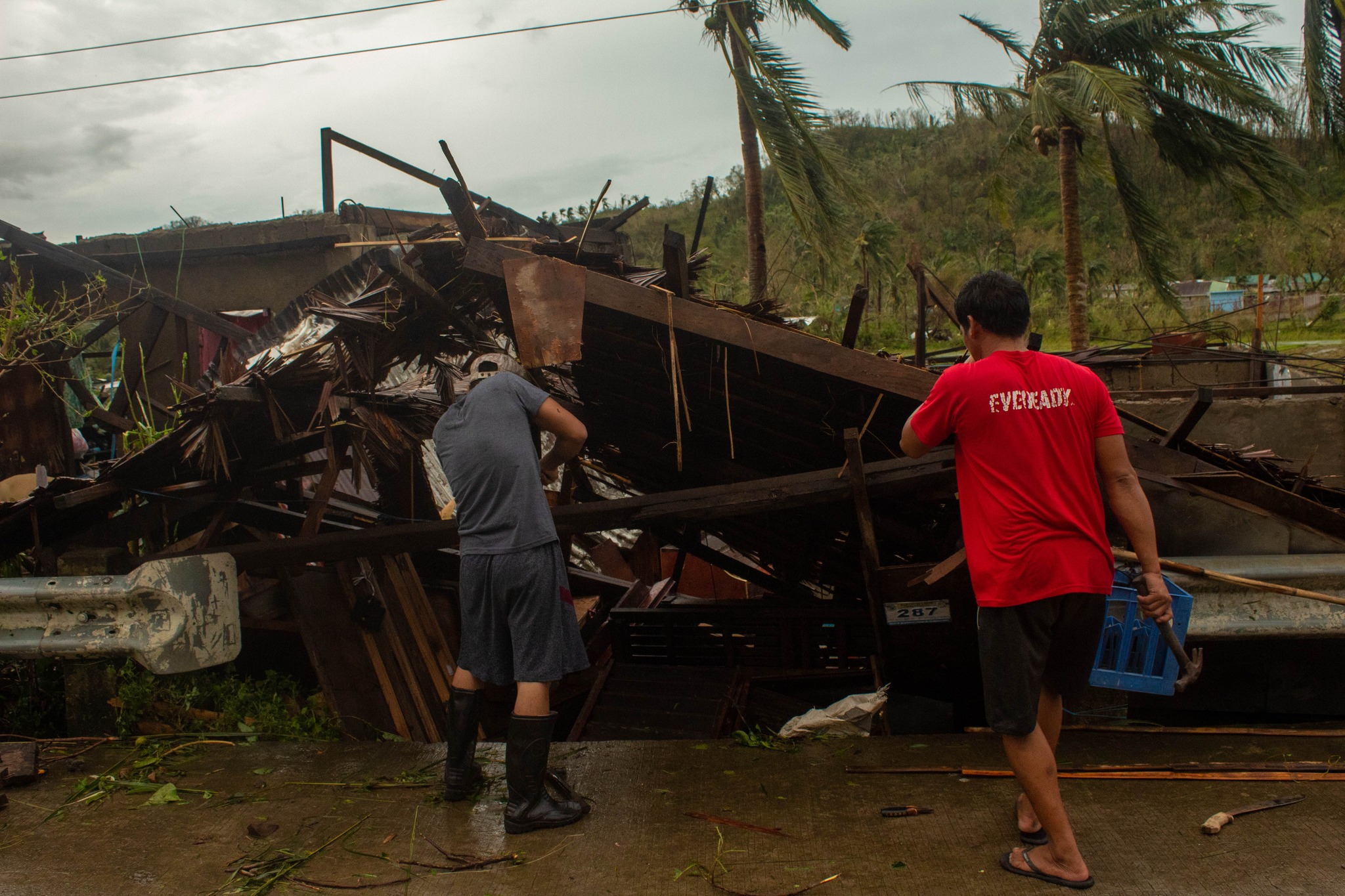

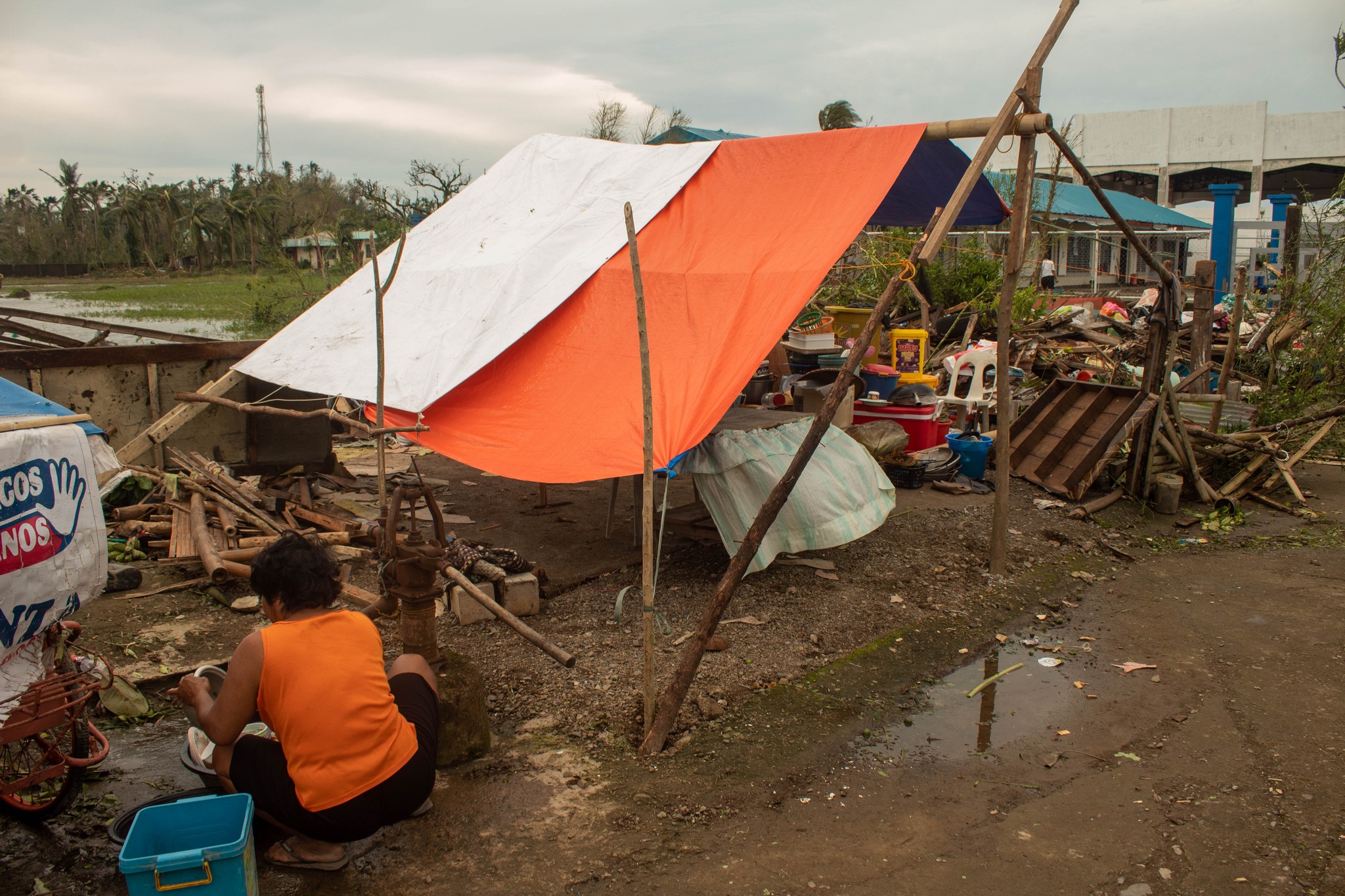
Catanduanes accounts for 80% of Bicol’s abaca production, with at least 21,500 hectares of land dedicated to the crop. However, recurring typhoons destroy hectares of abaca farms yearly, forcing farmers to wait one to three years for plants to mature before they can harvest again.
Ramos called for comprehensive support for abaca farmers: “Hinihiling namin ang agarang ayuda at kumpensasyon sa mga magsasaka ng abaca, at suporta para sa rehabilitasyon ng mga nasalantang magsasaka. Matagal nang napabayaan ng gobyerno ang mga parahag-ot at mamamayan ng Catanduanes.”
Call for action
Farmers in Catanduanes demand immediate interventions, including disaster relief, compensation and recovery funds, fair abaca pricing mechanisms, subsidies for farm inputs, and access to mechanized stripping machines. They also call for inclusive rehabilitation programs and compensation for damaged crops to help rebuild their livelihoods.
Sagip Kanayunan and KMP urge the national government to break the cycle of neglect and vulnerability in disaster-prone provinces like Catanduanes. As Ramos puts it, “Hindi na natin maaaring hayaang magpatuloy ang ganitong kalagayan. Ang bawat bagyo ay hindi lamang trahedya kundi patunay ng kriminal na kapabayaan sa gitna ng lumalalang krisis sa klima.”
The plight of Catanduanes farmers underscores the urgent need for long-term and genuine socio-economic solutions that prioritize the well-being of communities and build resilience against the impacts of climate change. #
Images from TABI Bicol
 updates from the peasant movement of the Philippines