
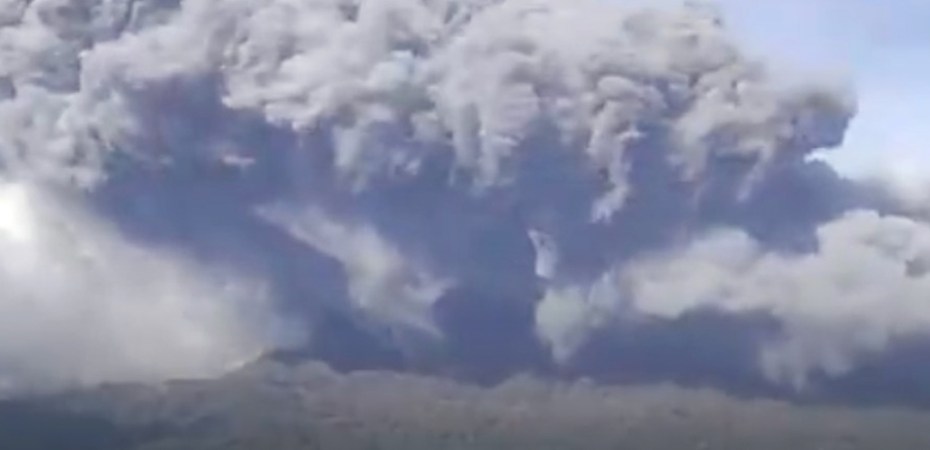

The Kilusang Magbubukid ng Pilipinas (KMP) calls for urgent and comprehensive assistance for thousands of farmers and rural communities affected by Mt. Kanlaon’s recent eruptions. After months of restiveness, the volcano erupted on December 9 and again spewed ash on December 23, displacing more than 12,000 families—over 45,000 individuals—across 32 barangays in Negros and Panay regions. Many are staying in evacuation centers and temporary shelters.
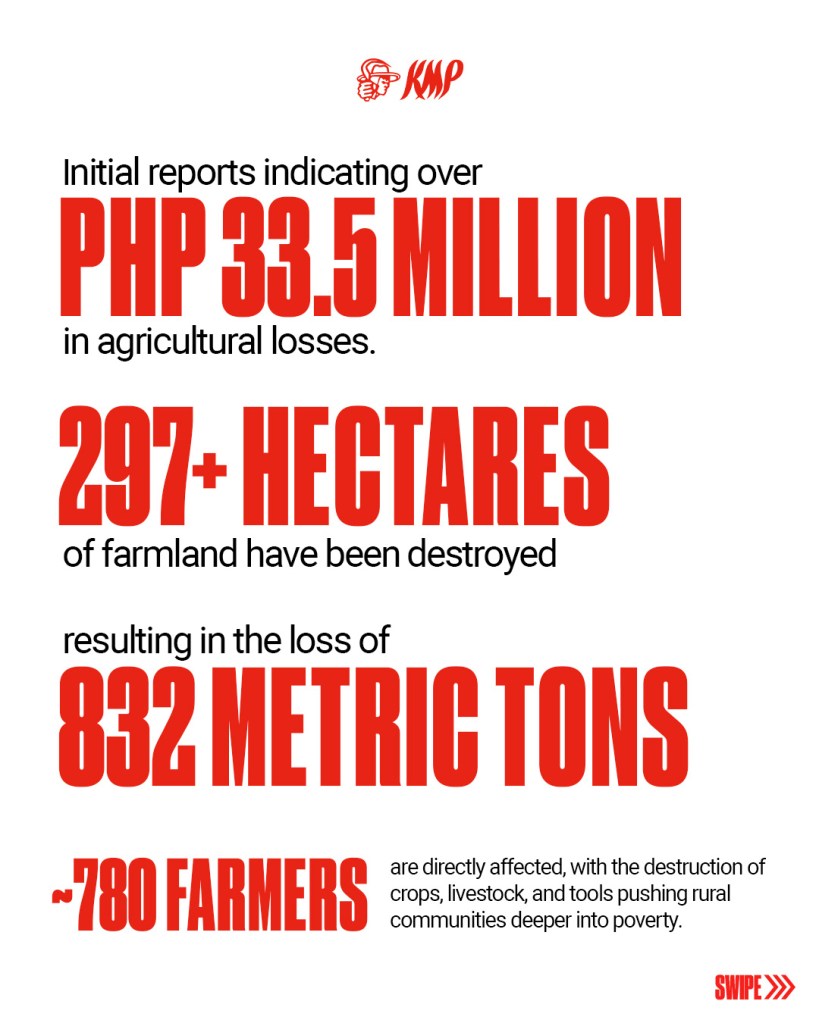
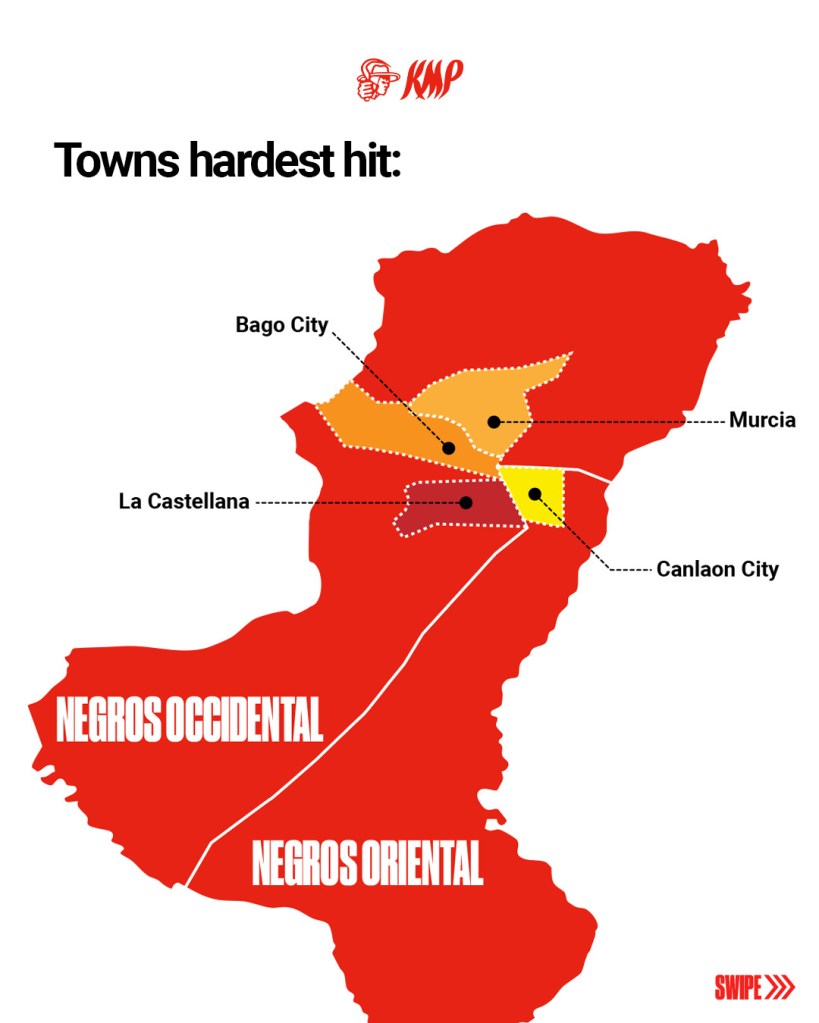
The volcanic activity has caused widespread devastation, with initial reports indicating over Php33.5 million in agricultural losses. More than 297 hectares of farmland have been destroyed, resulting in the loss of 832 metric tons of produce, severely impacting rice, corn, and high-value crops. Around 780 farmers are directly affected, with the destruction of crops, livestock, and tools pushing rural communities deeper into poverty. Towns such as Canlaon City, La Castellana, Bago City, and Murcia are among the hardest hit. KMP warns that actual losses and the number of affected farmers may be significantly higher.
The KMP condemns the government’s gross inadequacy in addressing the immediate needs of affected communities. “While the Department of Agriculture (DA) has announced token assistance fall woefully short of compensating the extensive losses incurred by farmers.”
“The DA’s promise of zero-interest loans and limited aid is a slap in the face of farmers who have already suffered enough since El Nino hit Negros in 2023. Livelihoods destroyed by the eruption require significant and sustained support—not piecemeal aid,” according to KMP chairperson and Makabayan senatorial candidate Danilo Ramos.
KMP is urging the government to allocate sufficient funds to compensate farmers for destroyed crops, livestock, farm tools, and homes. Relief efforts must prioritize farmers’ specific needs, including food aid, agricultural rehabilitation, and access to healthcare services in evacuation centers.
Ramos added that the government’s failure to implement proactive measures exacerbates the vulnerability of farmers to disasters, leaving them unprotected and unsupported during crises.
Meanwhile, respiratory diseases are surging among evacuees in Negros Occidental. The provincial health office reported that prolonged stays in overcrowded evacuation centers have worsened health issues, particularly among children. Common ailments include fever, colds, and cough, underscoring the need for better health services and living conditions.
“The Mt. Kanlaon eruption highlights the enduring inequalities in rural communities,” Ramos concluded. “The government’s failure to act decisively in times of calamity deepens the suffering of farmers, who are already burdened by decades of neglect. Comprehensive and sustained support is critical to ensure that affected families can recover and rebuild their livelihoods,” Ramos concluded. ###
 updates from the peasant movement of the Philippines