
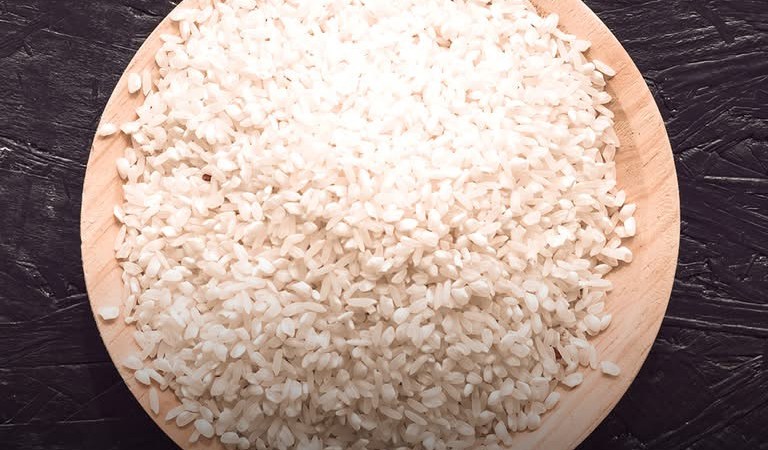
The Kilusang Magbubukid ng Pilipinas (KMP) reiterated its call for genuine solutions to the rice crisis, urging the overhaul of the liberalized rice and agriculture sectors in light of the Department of Agriculture’s (DA) latest rollout of “Sulit Rice” and “Nutri Rice.” The group emphasized that empowering Filipino farmers through genuine land reform and ensuring food self-sufficiency remain the only sustainable paths toward affordable rice for all.
KMP stressed that strengthening local agriculture is the real alternative. “True solutions to the rice crisis involve free land distribution to farmers, increased subsidies for production inputs, and fair farmgate prices,” the group said. KMP also highlighted the urgent need to repeal the Rice Tariffication Law, which has devastated local farmers and increased the country’s reliance on imports.
“Cheaper rice must be anchored on a developed local agricultural sector,” said KMP chairperson Danilo Ramos. “We must subsidize farmers, not imports, to ensure long-term food security and affordability. This is where the DA should focus, not on gimmicks like Sulit Rice and Nutri Rice.”
The DA’s Sulit Rice, made from 100 percent broken grains, and Nutri Rice, a product of single-pass milling, have been marketed as affordable and nutritious options for Filipino consumers. However, KMP condemned the government for promoting low-grade rice instead of empowering local farmers to produce high-quality, affordable rice.
“Broken rice for broken policies. This is what the DA is offering Filipinos. Instead of ensuring fair prices for farmers and adequate subsidies to boost local production, the government is conditioning the public to accept cheap, substandard rice,” said Ramos, a rice farmer from Bulacan and a Makabayan senatorial candidate.
The DA’s trial-and-error approach continues to fail Filipino consumers. The department’s repeated experimentation with rice programs, such as previous price ceilings and now Sulit Rice and Nutri Rice, has not led to significant price reductions. Filipino consumers still face unaffordable rice prices, while farmers bear the brunt of the government’s failure to implement sound agricultural policies.
“This trial-and-error strategy reveals the DA’s inability to develop a comprehensive plan for addressing the rice crisis. While the DA plays with short-term, band-aid solutions, millions of Filipinos remain unable to access affordable, decent-quality rice,” Ramos said.
KMP also questioned the expansion of Kadiwa ng Pangulo centers, arguing that while these outlets may offer temporary relief for consumers, they do nothing to address the long-standing neglect of local agriculture. The reliance on imports to supply these centers undermines Filipino farmers, who continue to suffer from low palay prices and lack of government support.
“The Marcos administration is touting Kadiwa as a solution while ignoring the persistent issues in agricultural production and marketing. Expanding these centers will not resolve the underfunding of agriculture or the exploitation of farmers by traders and millers,” Ramos said.
KMP added, “The DA’s assurance of sufficient supply for Sulit Rice and Nutri Rice, sourced from both local and imported rice, reveals the administration’s deep reliance on imports to stabilize prices. Decades of import dependency have consistently harmed local farmers, driving down farmgate prices and worsening their financial struggles.”
“The DA’s import-driven approach is a death sentence for Filipino rice farmers. Instead of empowering them to meet domestic demand, the government floods the market with imported rice, prioritizing corporate profits over rural livelihoods,” Ramos emphasized.
KMP called on the Marcos administration to implement genuine agrarian reforms, including protection of lands devoted to food production, free land distribution, increased production subsidies, and a fair farmgate pricing mechanism. The group also demanded the repeal of the recently amended Rice Tariffication Law, which has decimated the livelihoods of millions of farmers since its enactment.
“Cheaper rice should not come at the expense of Filipino farmers. The only way to achieve sustainable food security is by strengthening local agriculture, not through schemes like Sulit Rice and Nutri Rice,” Ramos concluded.

