
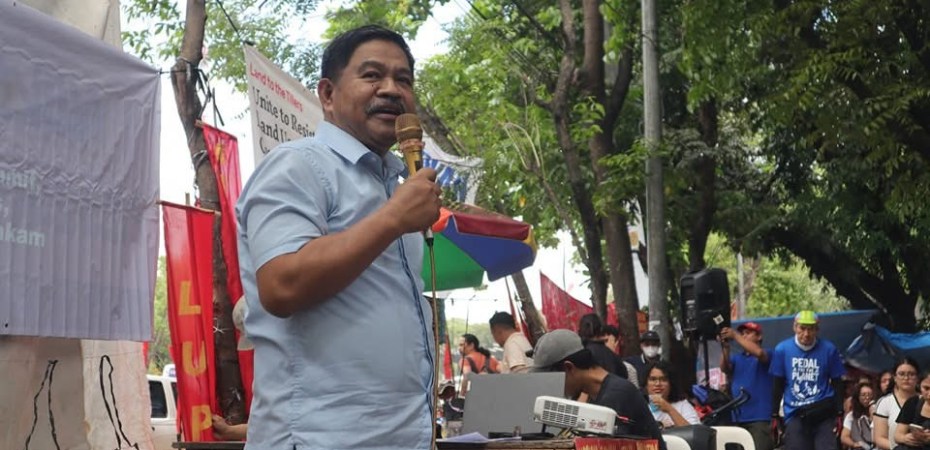
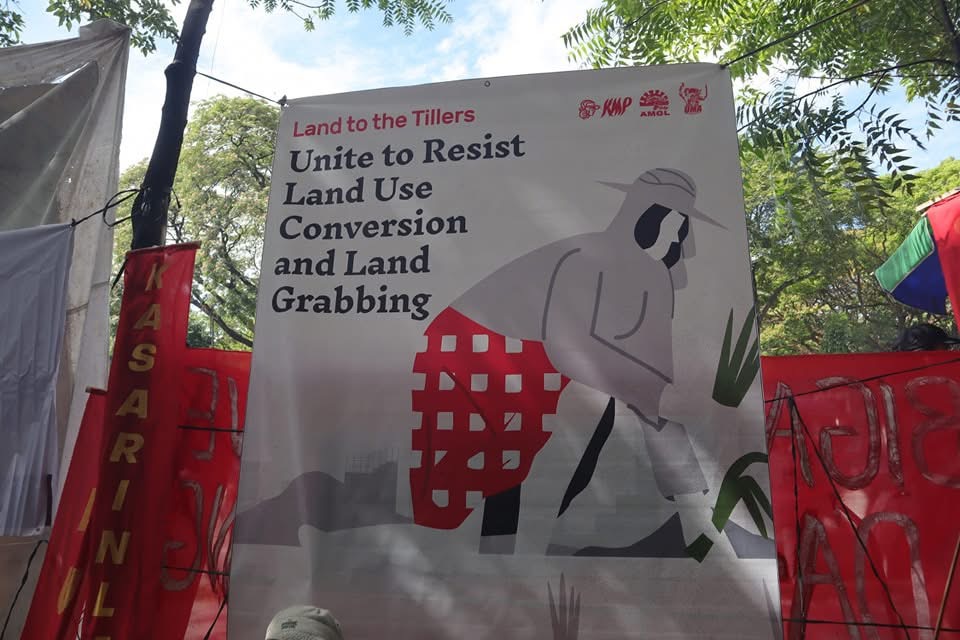
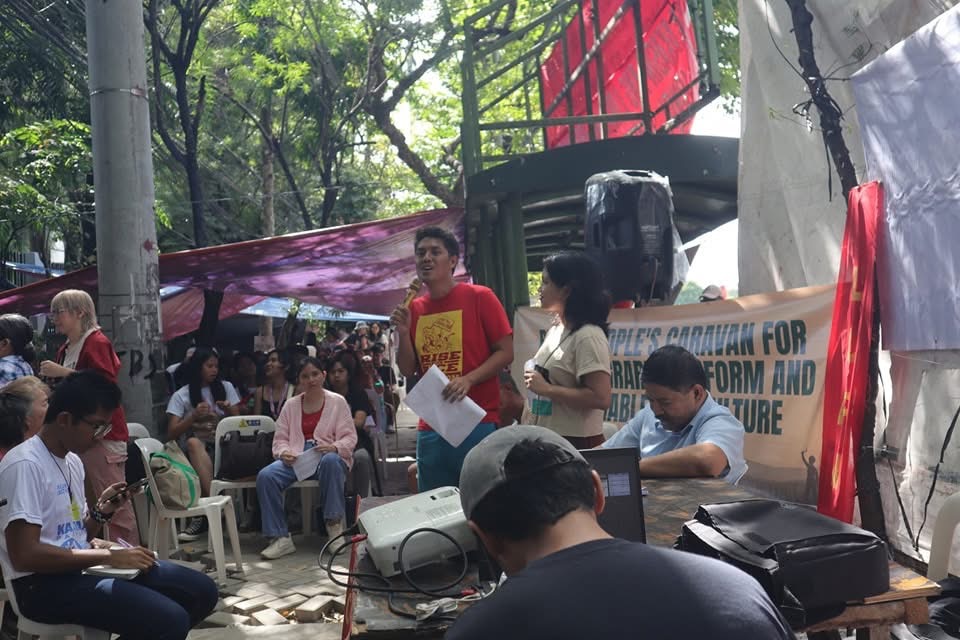
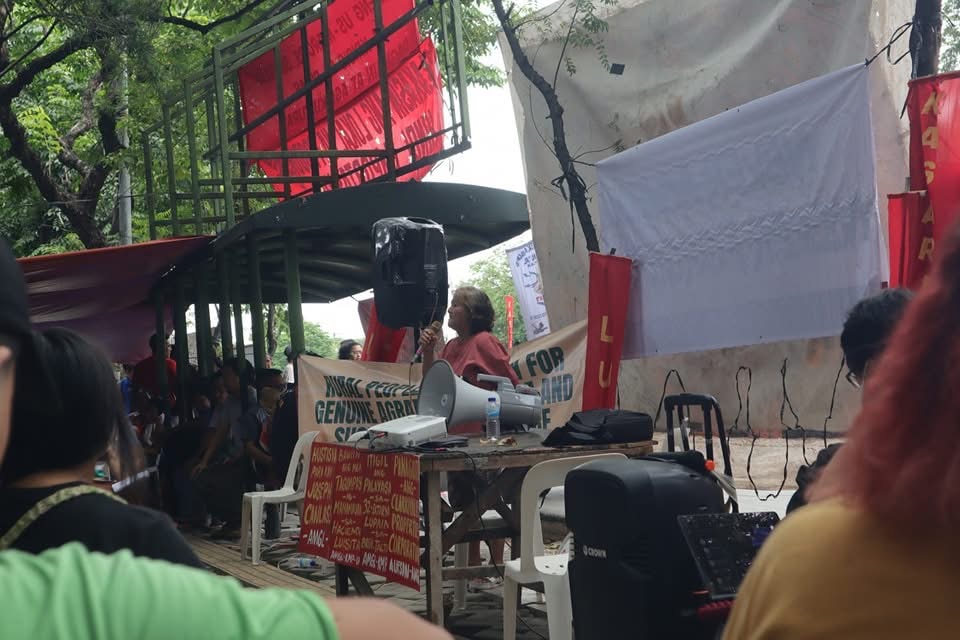
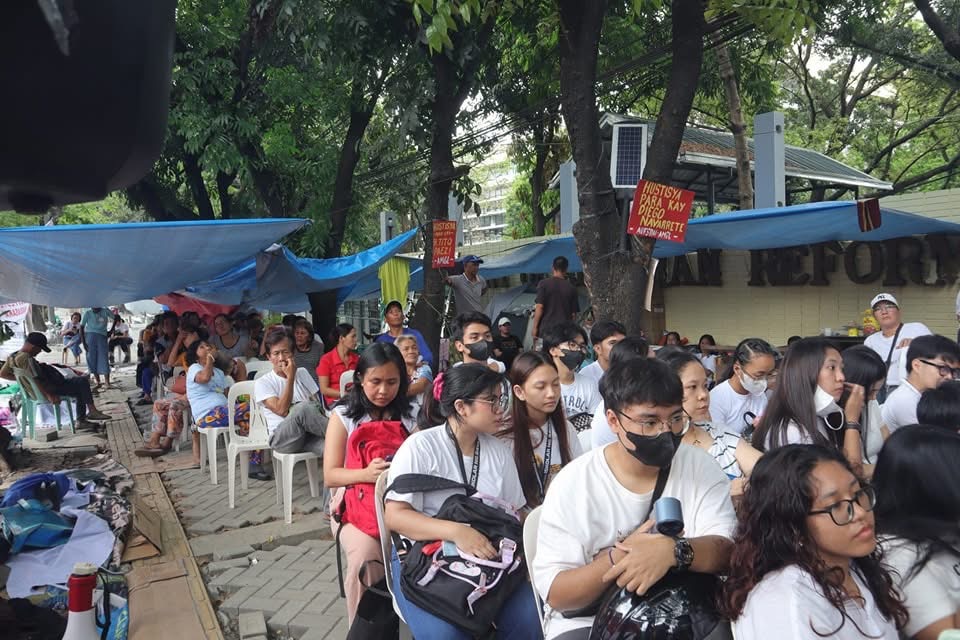
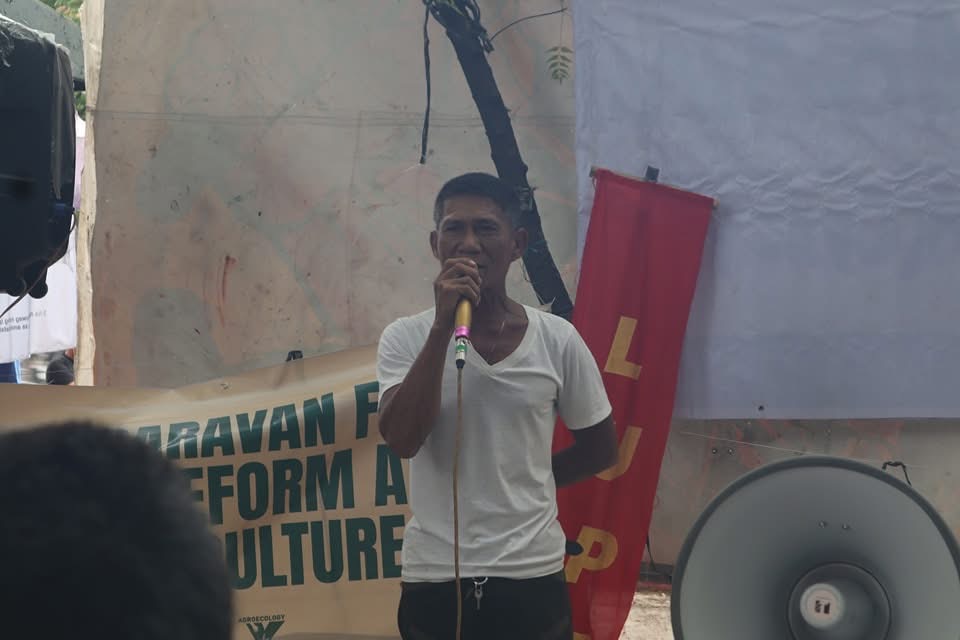
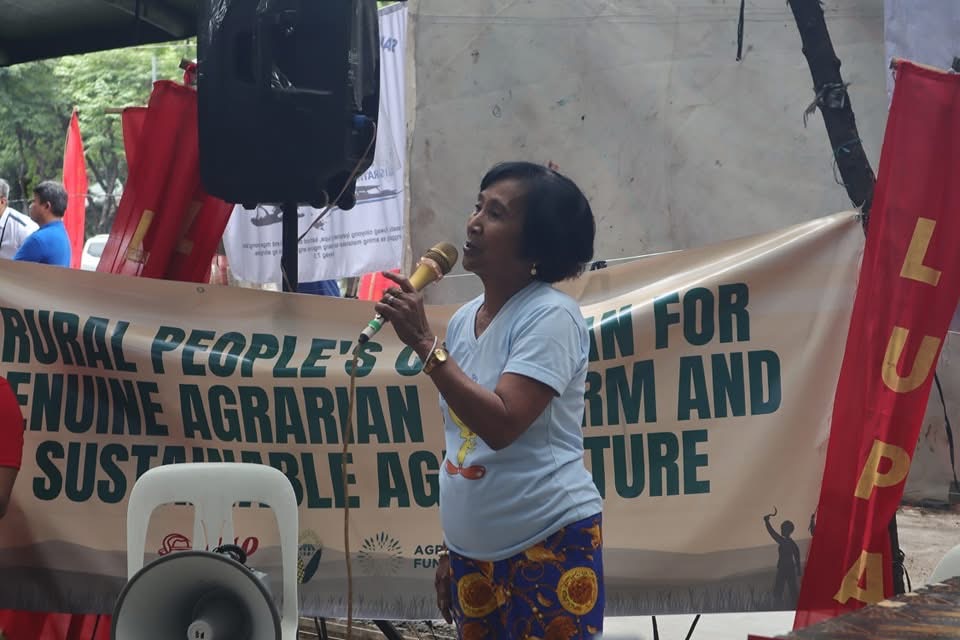
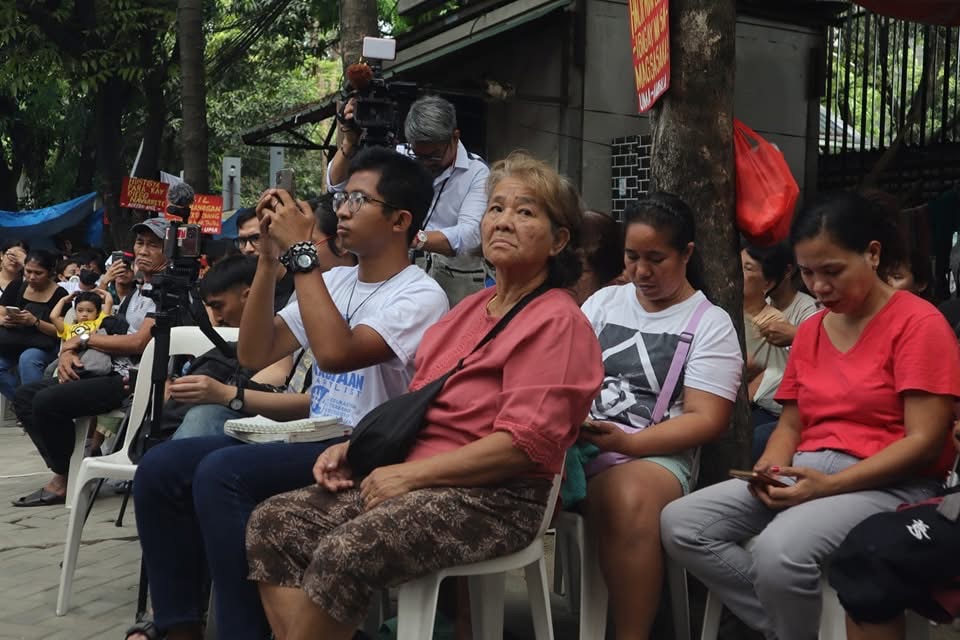
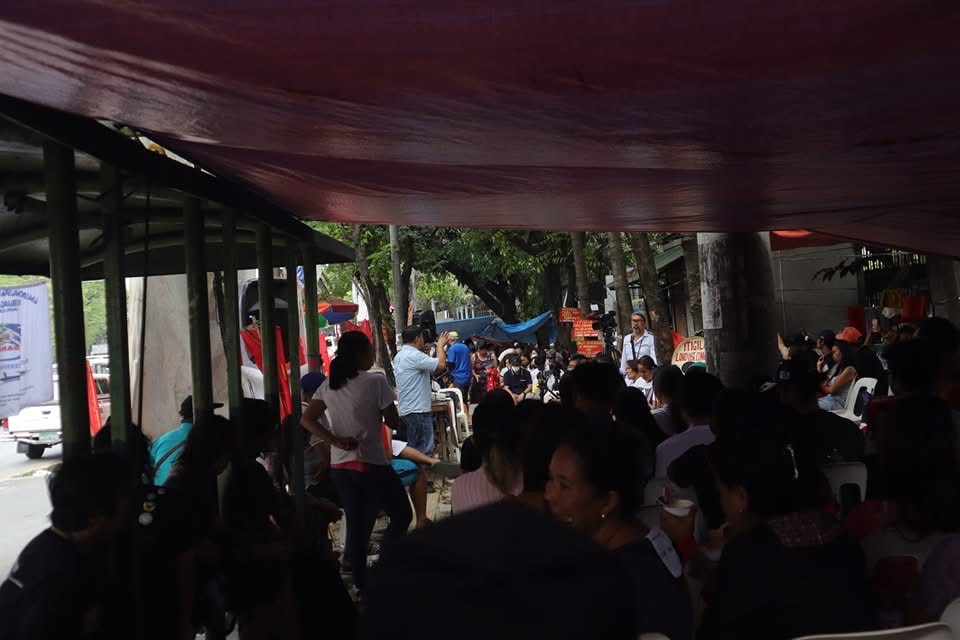
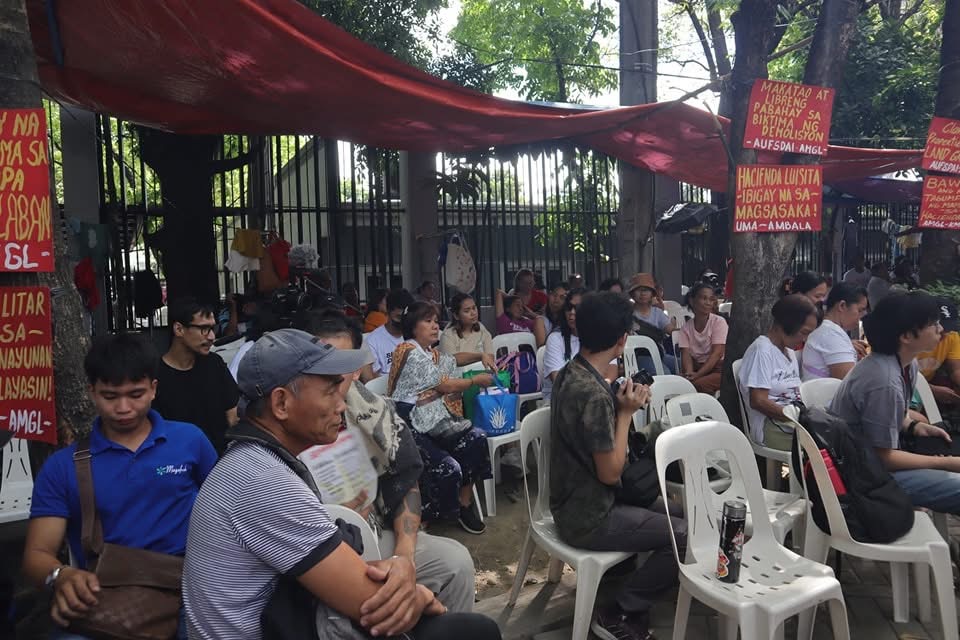
The rapid land use conversion under the Marcos government’s Build Better More (BBM) infrastructure program is accelerating environmental degradation and threatening the ecological balance of Central Luzon — the country’s largest agricultural and food-producing region, peasant group Kilusang Magbubukid ng Pilipinas (KMP) warned. Now on the 4th day of the Save the Rice Granary Farmers’ Protest Camp outside the Department of Agrarian Reform (DAR), farmers conducted a Street Conference “Land to the Tillers – Unite to Resist Land Use Conversion and Land Grabbing.” The forum will address the growing threats of land grabbing and agricultural land conversion, which have escalated under the current administration.
Central Luzon’s farmland and natural ecosystems are under siege from massive infrastructure projects, industrial zones, and urban-commercial expansion — all designed to cater to elite business interests and foreign capital. The BBM program, an extension of the Duterte administration’s Build Build Build initiative, envisions transforming Central Luzon into the “Greater Capital Region” — a network of expressways, airports, commercial hubs, and industrial estates at the expense of productive agricultural land and fragile ecosystems.
Land use conversion in Central Luzon is leading to deforestation and destruction of productive agricultural land. In fact, decades of LUC has already displaced thousands of farmers and destroyed critical agricultural ecosystems. Under the Marcos regime, the Central Luzon Link Expressway (CLLex) removed at least 200 hectares of rice lands, disrupting irrigation networks and increasing flood risks in Nueva Ecija. The North Luzon East Expressway (NLEE) will cut through 470 hectares of productive rice land, fragmenting farmlands and displacing farmers. In Hacienda Luisita, over 500 hectares of land spanning in Tarlac are slated for conversion into a “green energy zone” by Aboitiz Infracapital — despite unresolved agrarian reform issues and the Supreme Court’s 2012 ruling mandating land distribution to farmers.
“The government is treating Central Luzon like a blank canvas for infrastructure and real estate projects — disregarding the ecological and social costs,” said KMP Chairperson Danilo Ramos. “The rice granary of the Philippines is being sacrificed for highways, subdivisions, and shopping malls.”
KMP said the massive LUC is weakening Central Luzon’s resilience to natural disasters and climate change. Widespread deforestation and paving over of agricultural land increase the region’s vulnerability to flooding, soil erosion, and drought.
The removal of rice fields for the CLLex and NLEE will reduce the soil’s capacity to absorb rainwater, heightening the risk of flooding during typhoons. The loss of forest cover due to the expansion of Clark Freeport Zone and New Clark City (NCC) has already led to reduced groundwater recharge and increased surface runoff.
The long-term environmental impact extends beyond Central Luzon. Reduced rice production will increase the country’s dependence on rice imports, heightening vulnerability to high prices and global supply shocks. Meanwhile, the destruction of forest cover will accelerate biodiversity loss and increase carbon emissions.
KMP reveals that large corporations — including Ayala Land Inc., SM Prime, and Aboitiz Infracapital — are driving this wave of land use conversion in the region. These corporations have partnered with government agencies under the BBM framework, using public funds and foreign loans to bankroll infrastructure projects that serve corporate interests over food security and ecological stability.
Ayala Land has secured 290 hectares in Brgy. Central Tarlac for its commercial and residential development project Crescendo
SM Prime Holdings controls over 2,324 hectares nationwide, with planned commercial hubs in Central Luzon directly linked to BBM expressway projects.
Aboitiz Infracapital is spearheading a 200-hectare economic estate in Tarlac City — displacing long-time farmworkers and threatening rice production.
“The Marcos administration is allowing corporations to bulldoze agricultural land in the name of development — but the real cost is ecological collapse and food insecurity,” said Ramos.
KMP calls on the government to stop land conversion for non-agricultural use in Central Luzon, conduct an independent environmental impact assessment of BBM projects, protect remaining rice lands through a national food security policy and reallocate BBM infrastructure funds toward sustainable agriculture and rural development.
“The farmers of Central Luzon will not stand by while their land, livelihoods, and environment are destroyed,” Ramos added. “The government must be held accountable for this economic and environmental assault.”
#StopLandUseConversion
#ResistLandGrabbing
#SaveTheRiceGranary
#LandToTheTillers
#CLKampuhan2025

