
Today, the Kilusang Magbubukid ng Pilipinas (KMP) and Amihan National Federation of Peasant Women (Amihan) asserted that the long-standing rice crisis in the country stems directly from the Rice Liberalization Law (RLL). The RLL or RA 11203, enacted in 2019 under Duterte and continued by Marcos Jr is the main obstacle to affordable rice prices and decent livelihoods for farmers.
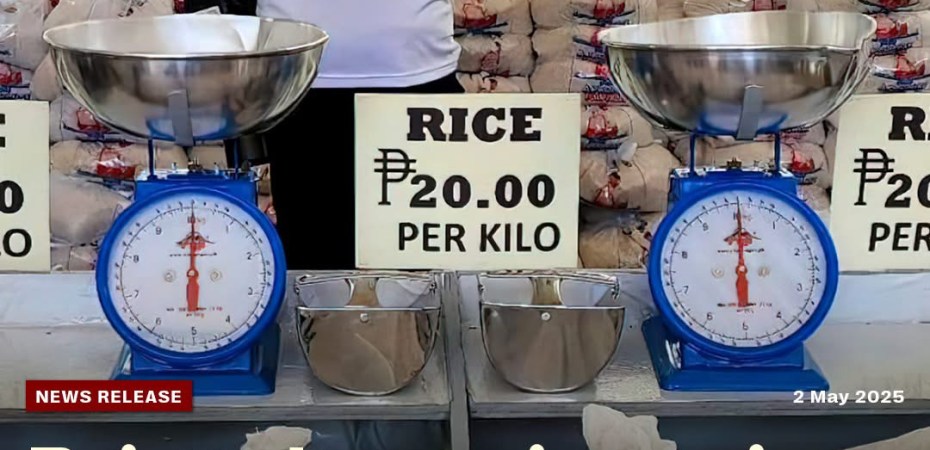
The Marcos Jr. administration’s new gimmick—”Bente Bigas Mo” or BBM20—is a desperate electoral ploy to salvage President Ferdinand Marcos Jr.’s plummeting ratings. Instead of addressing the root causes of soaring rice prices, it is being used to deceive voters once again and prop up administration-backed candidates in the coming elections.
“Ang pagkain at bigas ay pangunahing isyu sa ekonomiya. Matagal na naming panawagan ang totoong pagbaba ng presyo ng bigas sa pamamagitan ng suporta sa lokal na produksyon—hindi sa pakitang-taong subsidyong BBM20,” said KMP’s Ronnie Manalo
According to the groups, BBM20 is worse than vote buying because the funds used for the so-called price subsidy also come from taxpayers. It does not provide real solutions to the losses, bankruptcies, and hunger caused by rice liberalization and massive importation to farmers, small rice retailers, farm workers, and those in related industries.
“Hanggang may Rice Liberalization Law, walang magyayaring tunay na pagbaba ng presyo ng bigas,” Amihan Secretary General Cathy Estavillo emphasized. “Tinatali nito ang kamay ng gobyerno na huwag magsubsidyo para sa murang bigas at mamili ng sapat na palay mula sa mga lokal na magsasaka.”
They stressed that scrapping the Rice Liberalization Law is the first necessary step in genuinely lowering rice prices. Farmers and consumers have long advanced concrete proposals to strengthen local rice production, reduce production costs, and achieve national rice self-sufficiency. Among these are restoring government procurement of palay through the National Food Authority (NFA), dismantling rice cartels, and providing substantial support for farmers in the form of aid, subsidies, machinery, post-harvest facilities, and compensation.
The groups also underscored that because of the RLL, the local market was flooded with imported rice, driving down the farmgate price of palay and devastating farmers’ livelihoods. The law rendered stagnant the palay production levels, reduced farmers’ incomes, and expanded the control of big rice traders over the rice supply and pricing. KMP stressed that rice importation doubled under the control of fewer importers, while food insecurity and hunger worsened.
KMP’s research cited that between 2018 and 2024, rice prices nationwide increased by 17%, severely affecting the poorest sectors, especially farmers and rural workers. In the same period, the minimum wage in the National Capital Region rose by only 14%, failing to catch up with the rising cost of rice.
“Mura, abot-kaya at masarap na bigas ay batayang karapatan ng masa,” KMP and AMIHAN concluded. They reaffirmed their call for genuine agrarian reform to lay the foundation for rural development and national food security. ###

