



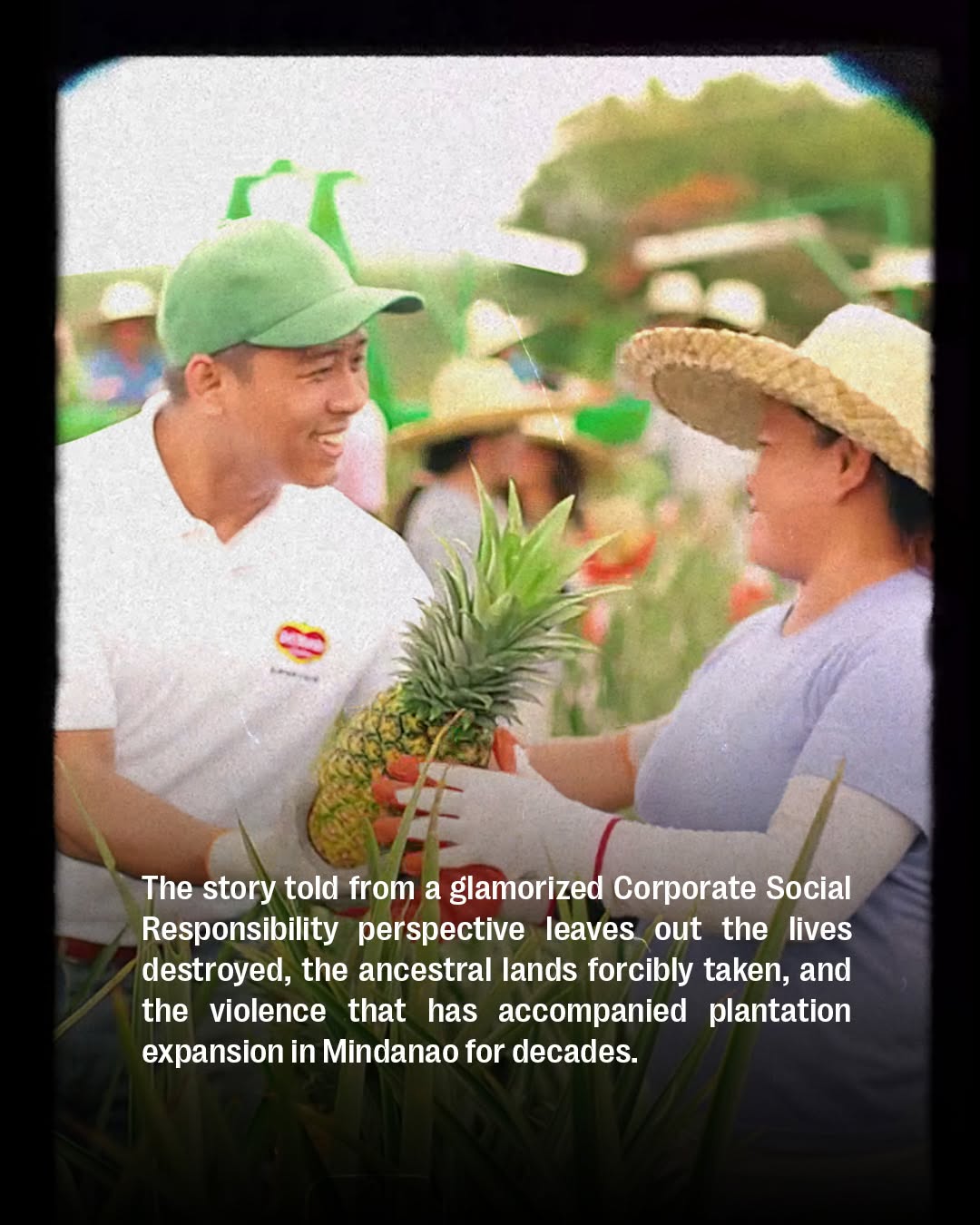
As Del Monte sets to mark its first 100 years in the Philippines come 2026, the company highlights milestones and its supposed “socially responsible labor practices.” But the story told from a glamorized Corporate Social Responsibility perspective leaves out the lives destroyed, the ancestral lands forcibly taken, and the violence that has accompanied plantation expansion in Mindanao for decades.
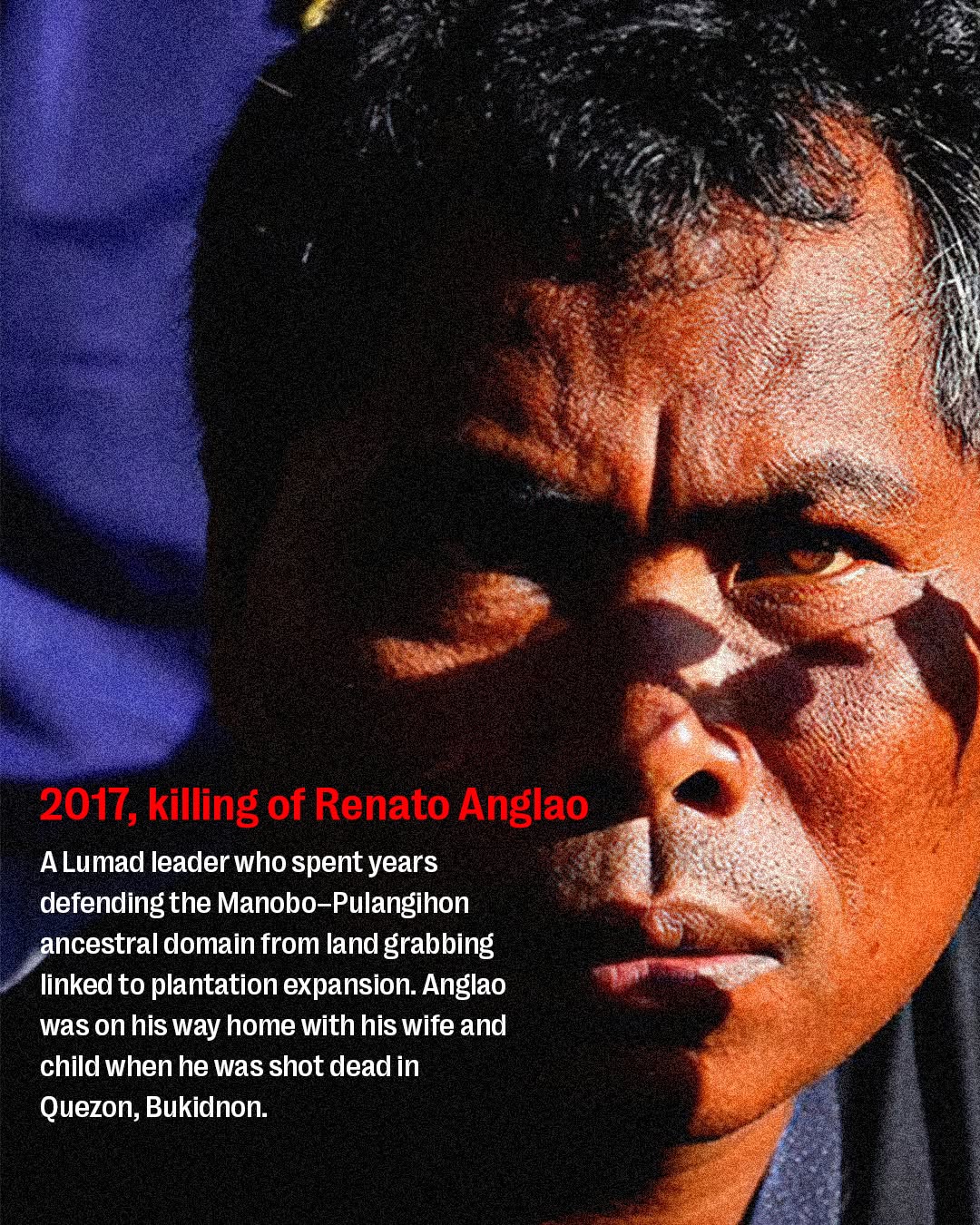
The killing of Lumad leader Renato Anglao in 2017 is a glaring reminder of this hidden but unforgotten history. Anglao was on his way home with his wife and child when he was shot dead in Quezon, Bukidnon. He had spent years defending the Manobo–Pulangihon ancestral domain from land grabbing linked to plantation expansion. His murder is part of a broader pattern of attacks faced by indigenous communities and peasant leaders whose lands stand in the way of agribusiness operations and large-scale development projects in the name of profit.
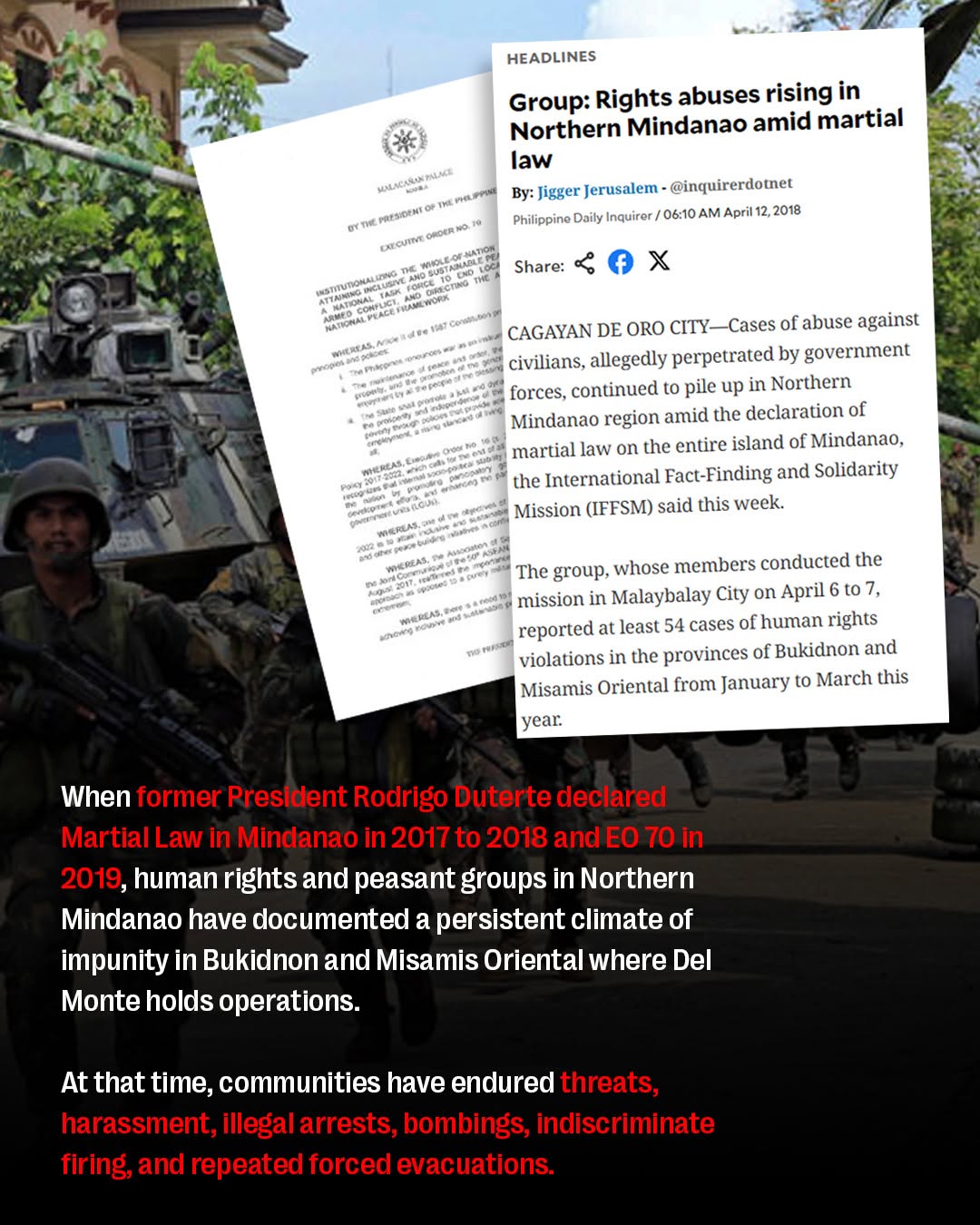
When former President Rodrigo Duterte declared Martial Law in Mindanao in 2017 to 2018, human rights and peasant groups in Northern Mindanao have documented a persistent climate of impunity in Bukidnon and Misamis Oriental where Del Monte holds operations. At that time, communities have endured threats, harassment, illegal arrests, bombings, indiscriminate firing, and repeated forced evacuations. When Duterte issued Executive Order 70 in 2019, which embedded counterinsurgency efforts into local government, these abuses further intensified. Civilian institutions were drawn into military operations, and rights defenders, farmers, and Lumad communities found themselves increasingly targeted.
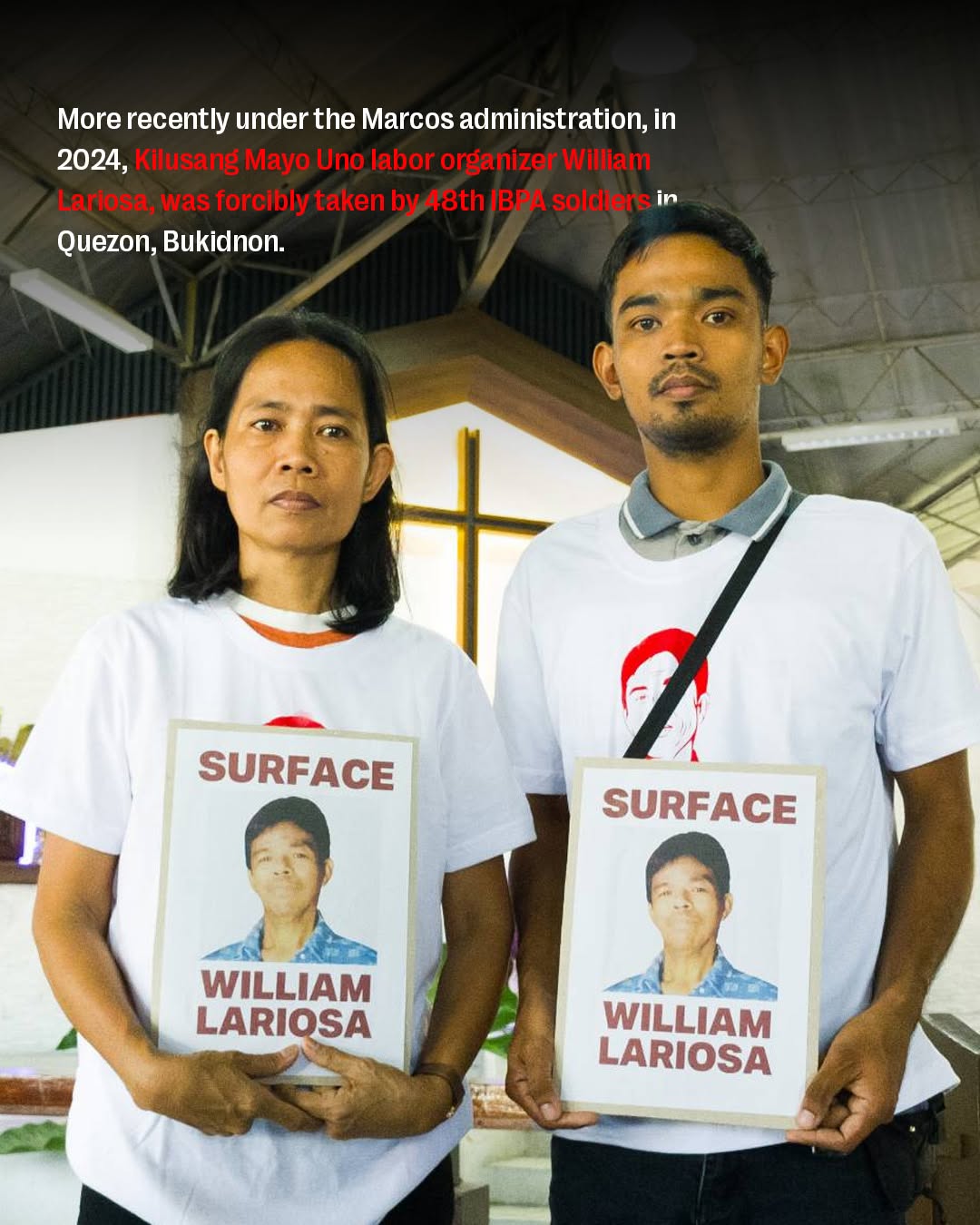
Lumad leaders, peasant organizers, and members of people’s organizations in Bukidnon and the entire Northern Mindanao suffered severe violence. Many have been killed or threatened, often after being red-tagged or pressured to “surrender” as supposed NPA fighters. Villages have faced encampments, aerial bombings, and intense militarization. These incidents commonly coincide with large infrastructure, plantation, mining, and hydropower projects planned on ancestral and agricultural land—projects that require communities to step aside. More recently under the Marcos administration, in 2024, Kilusang Mayo Uno labor organizer William Lariosa, was forcibly taken by 48th IBPA soldiers in Quezon, Bukidnon.
It is within this broader backdrop of brutal militarization and unending land conflict that Del Monte Philippines Inc. operates.
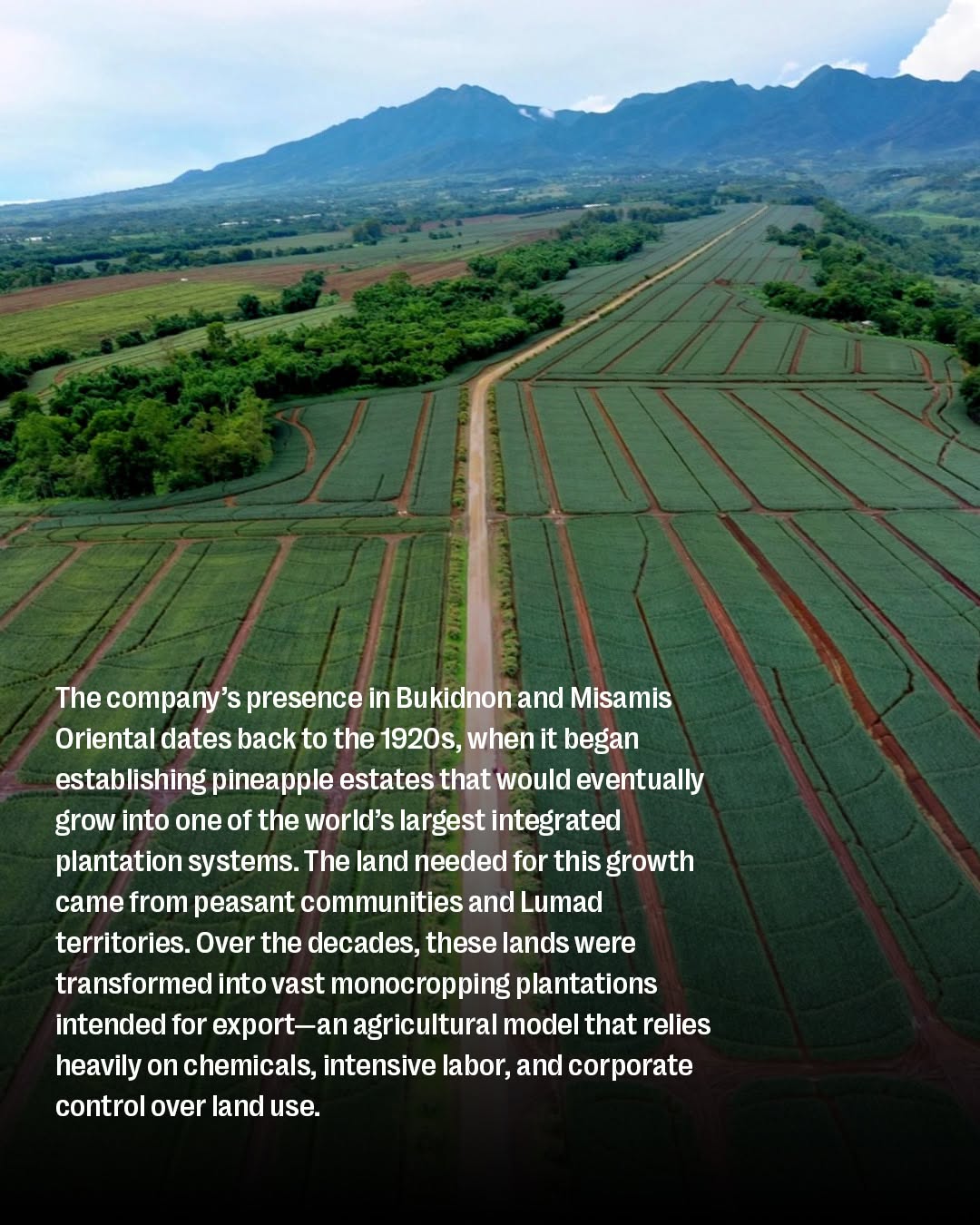
The company’s presence in Bukidnon and Misamis Oriental dates back to the 1920s, when it began establishing pineapple estates that would eventually grow into one of the world’s largest integrated plantation systems. The land needed for this growth came from peasant communities and Lumad territories. Over the decades, these lands were transformed into vast monocropping plantations intended for export—an agricultural model that relies heavily on chemicals, intensive labor, and corporate control over land use.
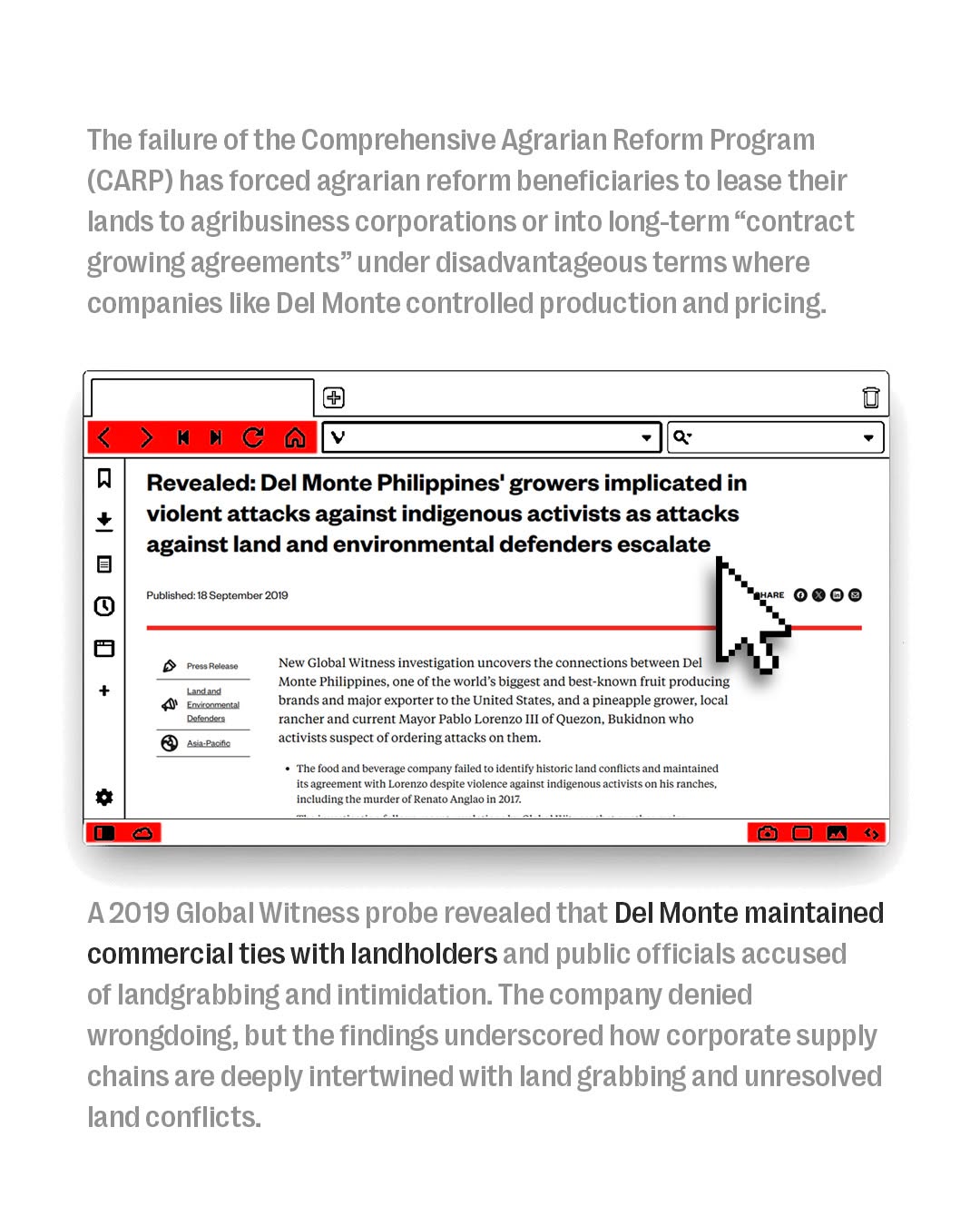
The failure of the Comprehensive Agrarian Reform Program (CARP) has forced agrarian reform beneficiaries to lease their lands to agribusiness corporations or into long-term “contract growing agreements” under disadvantageous terms where companies like Del Monte controlled production and pricing. A 2019 Global Witness probe revealed that Del Monte maintained commercial ties with landholders and public officials accused of landgrabbing and intimidation. The company denied wrongdoing, but the findings underscored how corporate supply chains are deeply intertwined with land grabbing and unresolved land conflicts.
Del Monte also points to regular employment as proof of its positive contribution, yet labor stories from plantation workers tell a different picture: contractual work, unequal treatment, disputes over union rights, and precarious work for thousands of workers who keep the plantations running. Many do the same work as regular employees but receive fewer protections and less security.
The environmental costs are equally serious. Large-scale pineapple farming depends on chemical inputs that erode soil, pollute waterways, and damage surrounding ecosystems. Many plantation areas overlap with key watersheds and ecologically sensitive zones. In Bukidnon, river degradation, siltation, and heightened flood risks have been linked to years of forest clearing and intensive monocrop farming tied to plantation expansion.
Del Monte’s track record with hazardous chemicals adds another layer of concern. When the Princess of the Stars ferry sank in 2008, it was carrying ten tons of the toxic pesticide endosulfan for Del Monte plantations despite restrictions on transporting such chemicals on passenger vessels. The tragedy exposed major gaps in safety, accountability, and chemical management.
These days, Del Monte is actively promoting its “sustainability and corporate social responsibility” but these efforts do not address the deeper problems rooted in the pro-TNCs monocrop plantation model: land grabbed ancestral lands, militarized communities, precarious work, and long-term ecological damage.
Just so the public remembers, Del Monte Philippines is owned and operated by the same group behind condiments giant NutriAsia Pacific Ltd. and NutriAsia Group of Companies. In 2018, around 300 NutriAsia workers and their supporters were violently dispersed by the company’s security personnel and police forces outside NutriAsia’s factory in Marilao, Bulacan. Hundreds of outsourced NutriAsia workers went on strike to protest decades of contractualization and illegal termination.
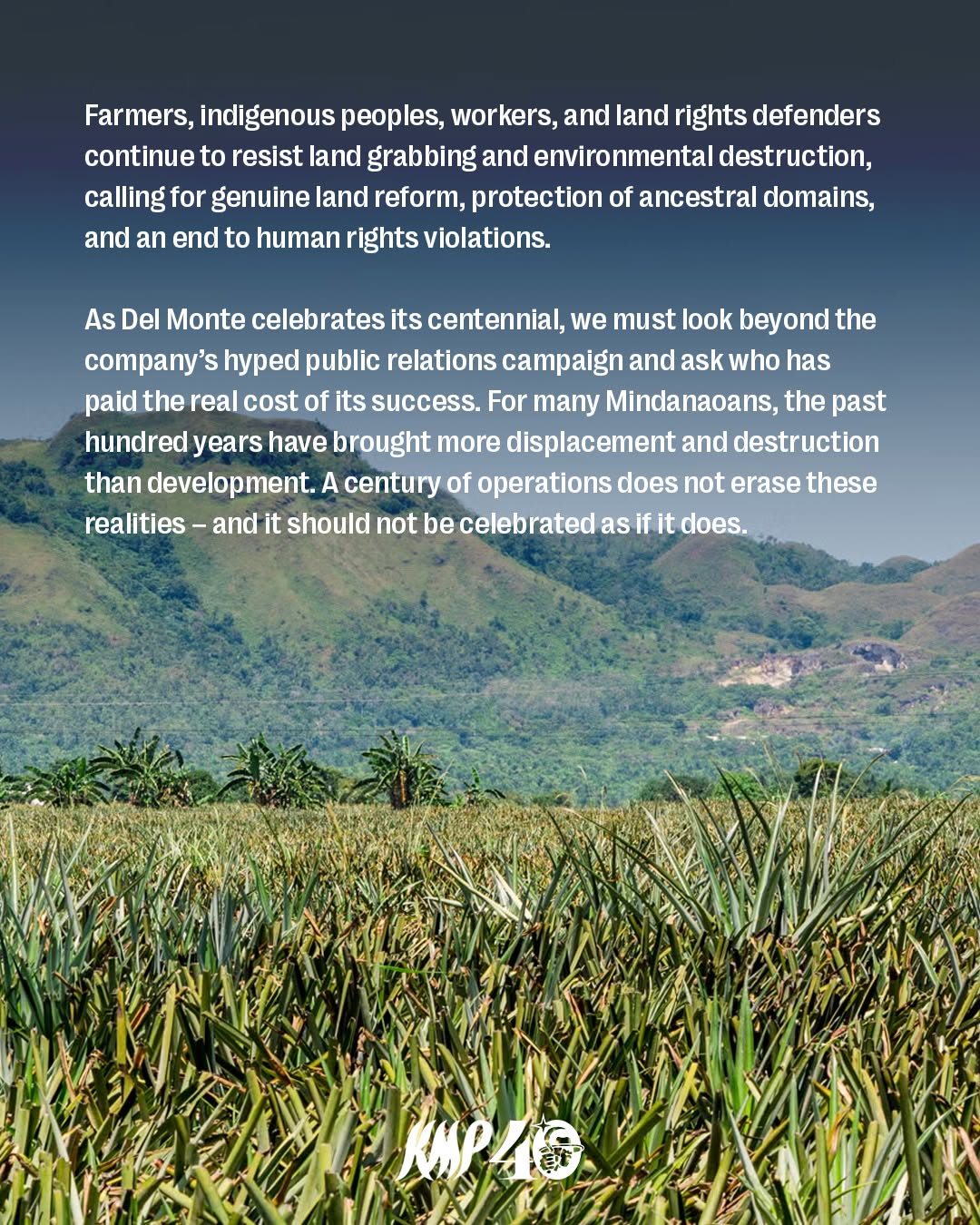
Farmers, indigenous peoples, workers, and land rights defenders continue to resist land grabbing and environmental destruction, calling for genuine land reform, protection of ancestral domains, and an end to human rights violations.
As Del Monte celebrates its centennial, we must look beyond the company’s hyped public relations campaign and ask who has paid the real cost of its success. For many Mindanaoans, the past hundred years have brought more displacement and destruction than development. A century of operations does not erase these realities – and it should not be celebrated as if it does.

