
The Kilusang Magbubukid ng Pilipinas (KMP) today warned that escalating oil prices triggered by the ongoing US-Israel war in the Middle East are now directly pushing rice prices higher in the country, compounding longstanding problems in the rice industry caused by failed government policies.
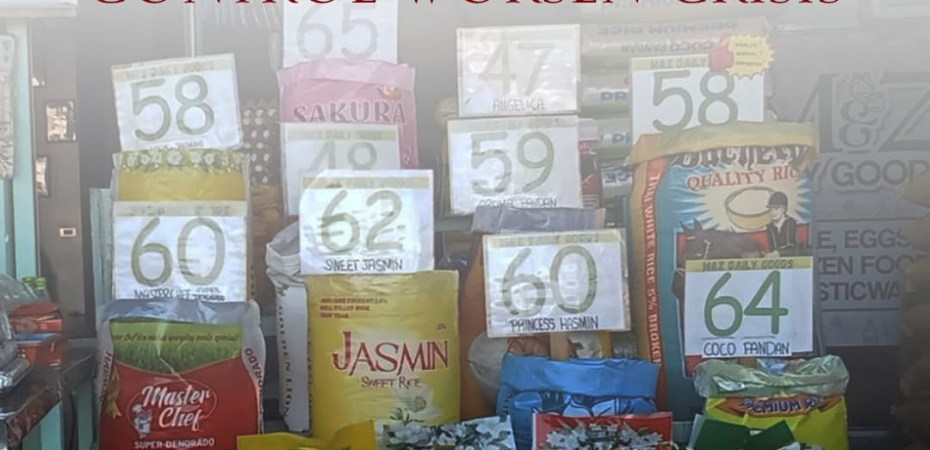
Recent market monitoring shows that retail rice prices have already begun to rise, with local rice increasing by around P3 per kilo in some areas, while imported rice prices have climbed to as high as P64 per kilo and even P70 per kilo in some areas. The Department of Agriculture (DA) is now considering a price cap on imported rice at around P50 per kilo, in an attempt to rein in costs.
“For years, KMP has warned that rice liberalization would make the country more vulnerable to global shocks. What we are seeing now is the direct result of that failed policy,” the group said.
KMP reiterated its long-standing opposition to the Rice Liberalization Law. Liberalization led to increased dependence on imported rice, depressed farmgate prices for palay and cartelized operations of local rice trading by big traders and importers.
“Rice liberalization did not bring down prices in any sustained way. It only strengthened the grip of rice cartels and big importers who now dominate supply and pricing,” KMP said.
The group stressed that oil price hikes are now amplifying these weaknesses. Fuel costs affect all aspects of rice production and distribution from land preparation and irrigation to transport and milling leading to cascading price increases. In Malolos City, rice farmers are spending an additional P6400 for diesel alone for handtractor and water pump usage, at latest diesel prices reaching P100 per liter.
KMP also criticized what it described as the DA’s continued failure to effectively regulate rice prices and protect both farmers and consumers.
“The DA has proven inutile in the face of successive rice price spikes. Monitoring without decisive intervention has allowed profiteering and price manipulation to persist,” the group said.
KMP has repeatedly flagged the existence of rice cartel operations, where a small number of large traders and importers allegedly control supply chains, hoard stocks, and manipulate prices for profit.
“Instead of dismantling cartel control, government policies have enabled it. Liberalization opened the floodgates and only the cartel benefited,” KMP added. The group warned that the current oil-driven price surge could further embolden these actors, leading to sharper increases in retail rice prices in the coming weeks.
KMP also pointed to growing global concerns over food insecurity, as international agencies warn that ongoing conflicts and energy shocks could push millions more into hunger worldwide.
“Filipino consumers are being squeezed from all sides due to high fuel costs, rising rice prices, and stagnant wages. Farmers continue to suffer from low support and unfair market conditions,” KMP said.
KMP reiterates its calls on the Marcos administration to:
Scrap rice liberalization policies and restore stronger state regulation of rice imports;
Dismantle rice cartel operations and enforce strict anti-hoarding and anti-profiteering measures;
Provide immediate and significant fuel subsidies and production support to farmers;
Increase farmgate prices of palay to ensure farmer viability and;
Strengthen the National Food Authority’s role in buffer stocking and price stabilization
“The rice crisis is both immediate and systemic,” KMP said. “Without reversing failed neoliberal policies and breaking cartel control, price caps and short-term fixes will not prevent further suffering among Filipino farmers and consumers.”

