
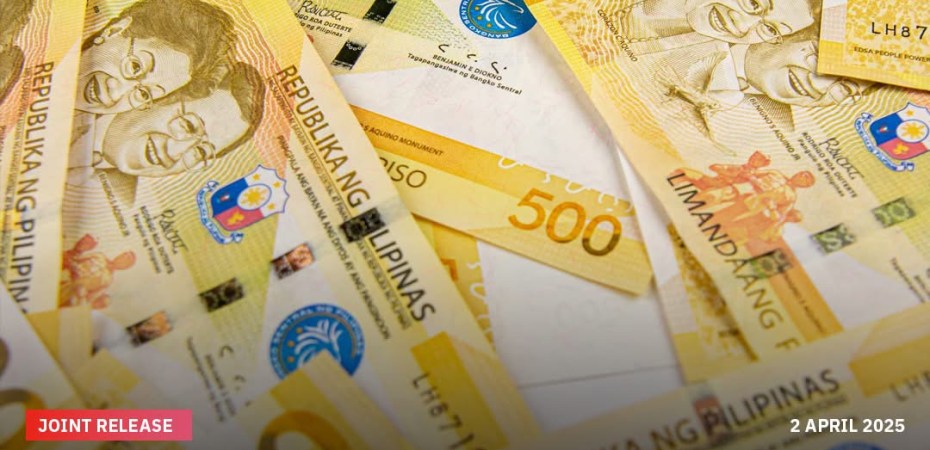
The national government’s outstanding debt has surged to an unprecedented Php16.63 trillion as of February 2025, marking a 1.96% increase from Php16.31 trillion in January 2025. This escalating debt burden has drawn sharp criticism from peasant leaders and advocates, who argue that the mounting obligations do not translate into tangible benefits for ordinary Filipinos but instead exacerbate their economic hardships.
Cathy Estavillo – Gabriela Women’s Party , Secretary-General of Amihan National Federation of Peasant Women and nominee of Gabriela Partylist, expressed deep concern over the government’s fiscal trajectory.
“Habang patuloy na lumolobo ang utang ng bansa, hindi naman natin nararamdaman ang sinasabi ng gobyerno na pag-unlad sa ating mga komunidad. Ang bigat ng utang na ito ay pasan ng bawat mamamayang Pilipino, lalo na ang mga magsasaka at mangingisda na patuloy na naghihirap. Napupunta ba talaga ito sa tunay na pag-unlad, o nauuwi lang sa bulsa ng iilan?” she stated.
Danilo “Ka Daning” Ramos for Senator, Chairperson of Kilusang Magbubukid ng Pilipinas (KMP) and Makabayan Senatorial Candidate, echoed similar sentiments, emphasizing the disproportionate impact on taxpayers.
“Ang mabilis na paglobo ng utang ng gobyerno sa ilalim ni Marcos Jr. ay isang malinaw na indikasyon ng masahol na pamamahala sa ekonomiya. Ang mga utang na ito ay hindi napupunta sa pagpapabuti ng buhay ng karaniwang Pilipino kundi nagiging dagdag na pasanin sa ating lahat, lalo na sa mga nagbabayad ng buwis. Nananawagan kami ng accountability at transparency kung paano ginagamit ang salaping inuutang ng gobyerno.” Ramos asserted.
The Bureau of the Treasury attributes the debt increase to the net issuance of new domestic and external debt aimed at supporting public programs and projects. However, critics argue that without clear and transparent allocation, these debts fail to address the pressing needs of marginalized sectors.
In 2024, the Philippines added Php1.44 trillion to its debt, bringing the total to Php16.05 trillion by the end of that year. The continuous rise in debt under the current administration raises serious questions about fiscal responsibility and the prioritization of expenditures.
Peasant organizations are calling for the scrapping of debt servicing and the reallocation of funds towards agriculture, domestic food production, social services, and programs that directly benefit the poor.
“Gaya ng kalakaran, kukunin sa mga panibagong buwis mula sa mga Pilipino ang pambayad sa lumulobong utang. Ang mas masama pa, walang kasiguruhan na ang bawat pisong inuutang ng gobyerno ay napupunta sa mga proyektong may direktang pakinabang ang masa. Madalas, nalulustay sa korapsyon,” Estavillo emphasized.
Estavillo also expressed alarm over Marcos Jr.’s borrowing trend, highlighting the rapid escalation of debt:
January 2024: Php14.79 trillion
December 2024: Php16.05 trillion
January 2025: Php16.31 trillion
The rapid increase in national debt translates to a growing debt burden on individual Filipinos. Increased borrowing leads to a higher per capita debt, which in turn means larger allocations for debt servicing, reducing funds for essential social services. A greater portion of government revenue will be dedicated to debt repayment, potentially resulting in increased tax burdens on citizens and reductions in government spending on public services, ultimately affecting the overall well-being of Filipinos.
As the nation’s debt reaches alarming levels, KMP and AMIHAN remain steadfast in their demand for economic and fiscal policies that are pro-people, transparent, and geared towards genuine national development. ###

