
Amid soaring tomato prices in markets nationwide, the Kilusang Magbubukid ng Pilipinas (KMP) urges the government to address the longstanding issues of insufficient support for local agriculture and the absence of genuine rural industrialization. “This golden era of unaffordable rice and food under Marcos Jr continue to burden Filipinos.”
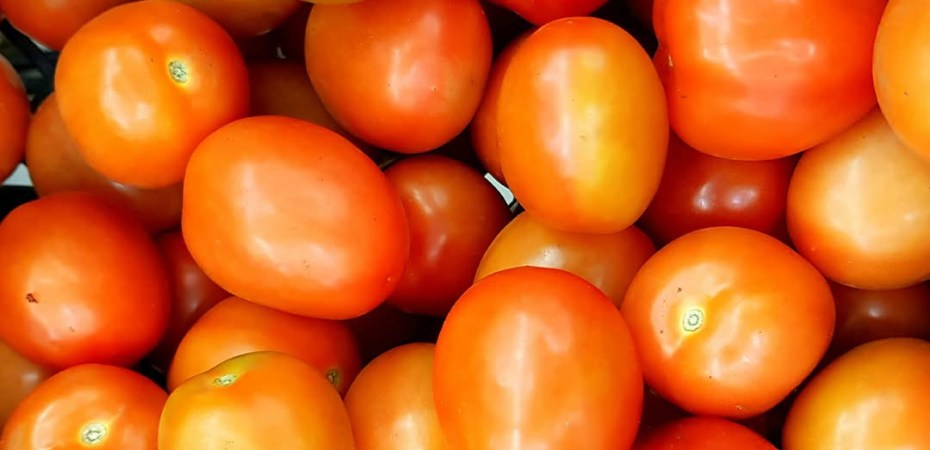
Based on latest market price monitoring, tomato prices in Metro Manila have reached as high as Php360 per kilogram, more expensive than some cuts of pork. In Nueva Ecija, prices range from Php130 to Php180 per kilogram. According to the Department of Agriculture (DA), these high prices are due to a 45% drop in production in 2024 following a series of typhoons that hit Cagayan Valley, CALABARZON, and Bicol.
KMP said the government’s inaction burdens farmers and consumers as it criticized the DA’s reactive approach to crises like this, highlighting the lack of systematic and proactive measures to strengthen local production. “Amid worsening calamities and climate change, temporary ‘quick response’ measures like loan assistance and seed distribution are no longer enough. What we need are radical reforms in agriculture foster in rural industrialization,” said KMP.
The DA’s Disaster Risk Reduction and Management (DRRM) center reported Php14.22 million worth of agricultural damages caused by typhoons, the shear line, and monsoon rains. Yet, calls for subsidies for affected farmers are overshadowed by “band-aid solutions” like interest-free loans.
KMP believes that the sustainable solution to the food price crisis is to ensure higher production capacity and to establish local agro-processing industries. “Instead of relying on imports during shortages, the government should develop post-harvest processing facilities and cold storage systems for crops like tomatoes. This would prevent farmers from incurring losses during oversupply or price drops.”
“There is no reason for vegetables to cost as much as pork. The reality is, this crisis stems from the government’s chronic neglect of agricultural development,” the group asserted.
Alongside the call for rural industrialization, KMP urged farmers, consumers and the public alike to unite against anti-farmer and anti-consumer policies. “The local agriculture’s primary goal should be ensuring food for all, not profit-driven, import-dependent and export-oriented agriculture. Amid the unbearable challenges posed by high prices, it is high time to seriously push for patriotic, farmer-centered, and environmentally sustainable reforms in agriculture and rural industrialization,” KMP’s Ramos concluded. #

