
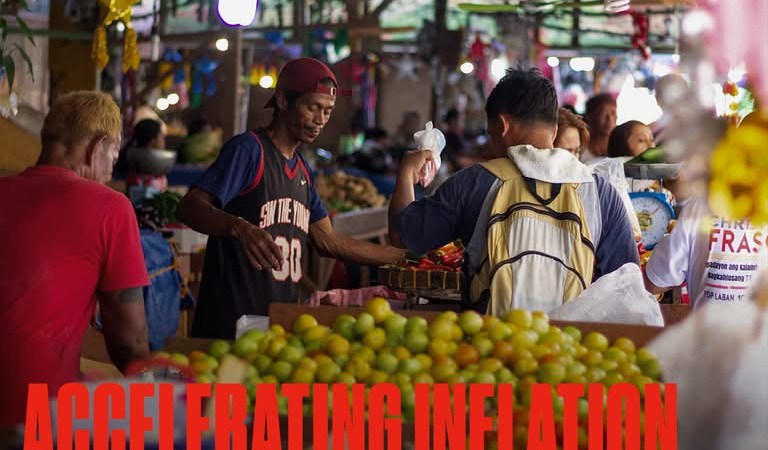
According to the Philippine Statistics Authority (PSA), the country’s headline inflation rate rose to 2.9% in December 2024, up from 2.5% in November. This marks the highest rate since August 2024, driven by escalating costs in food, housing, utilities, and transportation.
While the average inflation rate for 2024 stood at 3.2%, within the Philippine central bank’s target range of 2% to 4%, this figure fails to reflect the harsh realities faced by millions of Filipinos. Basic goods and services remain unaffordable, leaving low-income families struggling to meet their daily needs.
“Despite the Marcos Jr. administration’s claims of achieving its inflation target for 2024, food prices, basic goods, and essential services remain exorbitantly high. Ordinary Filipinos feel no relief from the supposed ‘victory’ boasted by the National Economic and Development Authority (NEDA),” said Kilusang Magbubukid ng Pilipinas (KMP).
The PSA’s reported 3.2% inflation rate for 2024 does not translate to genuine relief for the public. Prices of staple goods such as rice (Php52-Php61/kilo), vegetables, and meat remain high. Electricity costs average Php11.96 per kilowatt-hour, and water prices range from Php42 to Php140 per cubic meter. Rising rent and transportation expenses further strain already meager family budgets.
The surge in food prices, compounded by escalating fuel and utility costs, underscores the Philippine economy’s persistent vulnerabilities to external shocks and structural inefficiencies. Food inflation for December 2024 reached 3.5%. Tomato prices, for instance, averaged Php213 per kilo last month and have soared to Php360 per kilo in January retail markets. Meanwhile, the average nominal wage of Php465 remains far below the family living wage of Php1,224 per day.
“These figures undeniably highlight the government’s severe shortcomings in addressing the basic needs of Filipinos,” said KMP chairperson Danilo Ramos. “The supposed drop in inflation means nothing to farmers and ordinary Filipinos if prices remain high and wages are stagnant. The Marcos Jr. administration is failing to address worsening economic hardships.”
KMP emphasized the need to strengthen local agriculture and food production, advocating for policies that address inflation at its roots through sound economic measures and rural and national industrialization. “If inflation continues unchecked, the gap between the rich and the poor will widen further, leaving farmers and consumers to bear the brunt of government inaction and inutility,” the group added.
The persistent lack of adequate income and soaring prices are driving more Filipino families into hunger and poverty. Wage increases in some regions fall far short of the family living wage, while regressive taxes such as VAT and excise taxes exacerbate the situation by driving up costs for goods and services.
Instead of offering concrete solutions, the Marcos Jr. administration continues to issue hollow pronouncements that benefit local and foreign big businesses while neglecting the needs of the masses.
KMP reiterated its demands:
Increase workers’ wages and farmers’ incomes to keep up with rising prices.
Provide immediate aid and subsidies to sectors severely affected by high prices, including farmers and fisherfolk.
Remove regressive taxes like VAT and excise taxes to lower the prices of goods.
Implement long-term solutions such as strengthening local food production, dismantling agricultural cartels, and pursuing genuine agrarian reform.
Review and repeal anti>people policies in the oil, energy, and utilities sectors to ensure fair and affordable rates for fuel, electricity, and water. ###

