
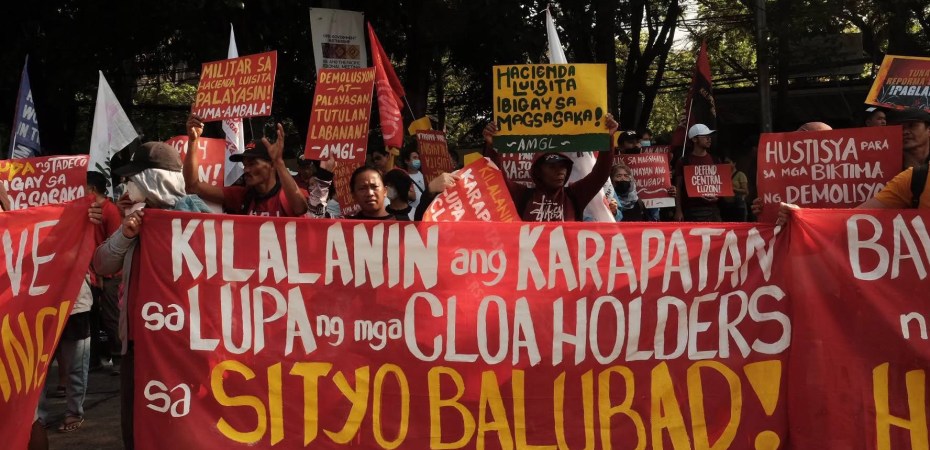
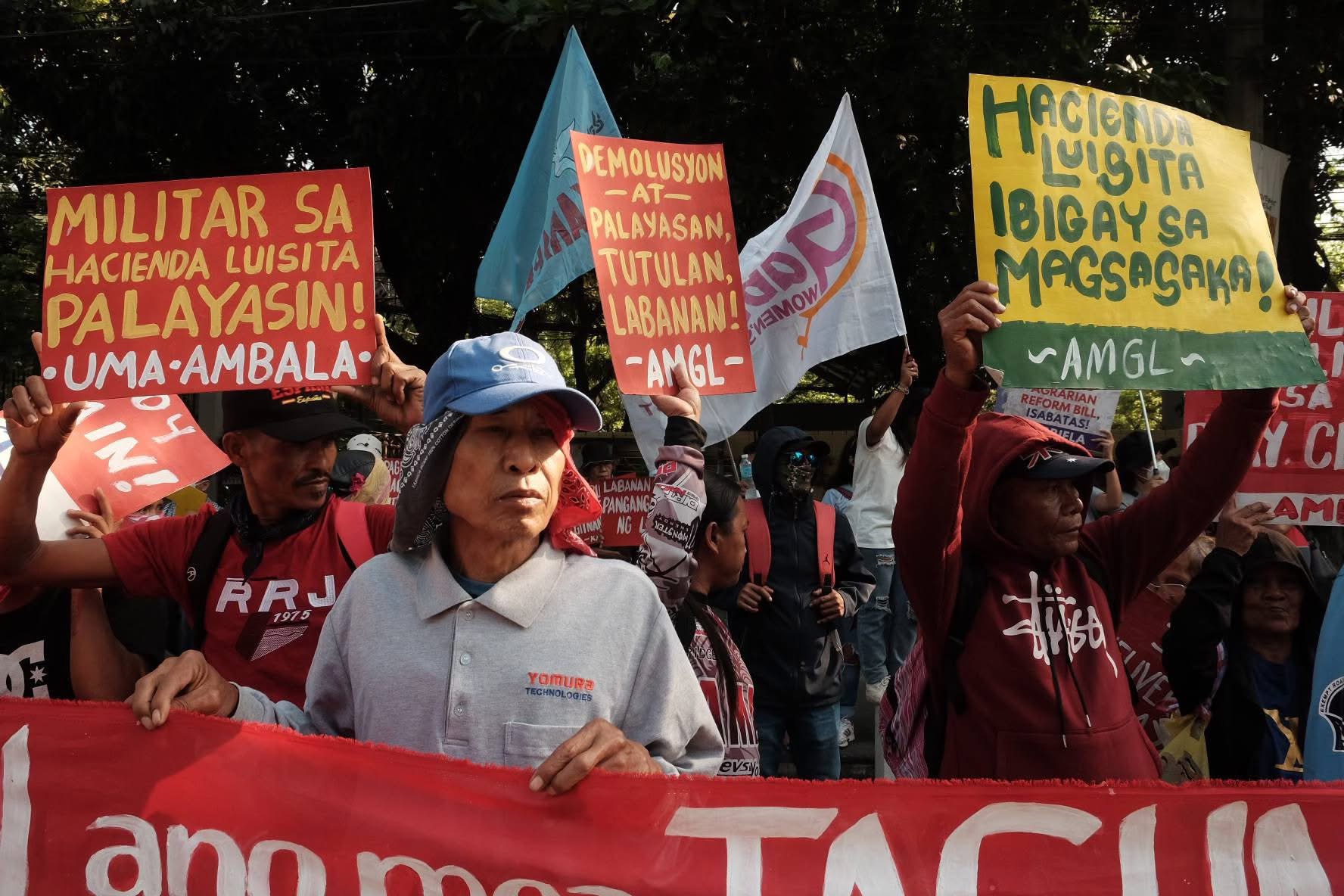
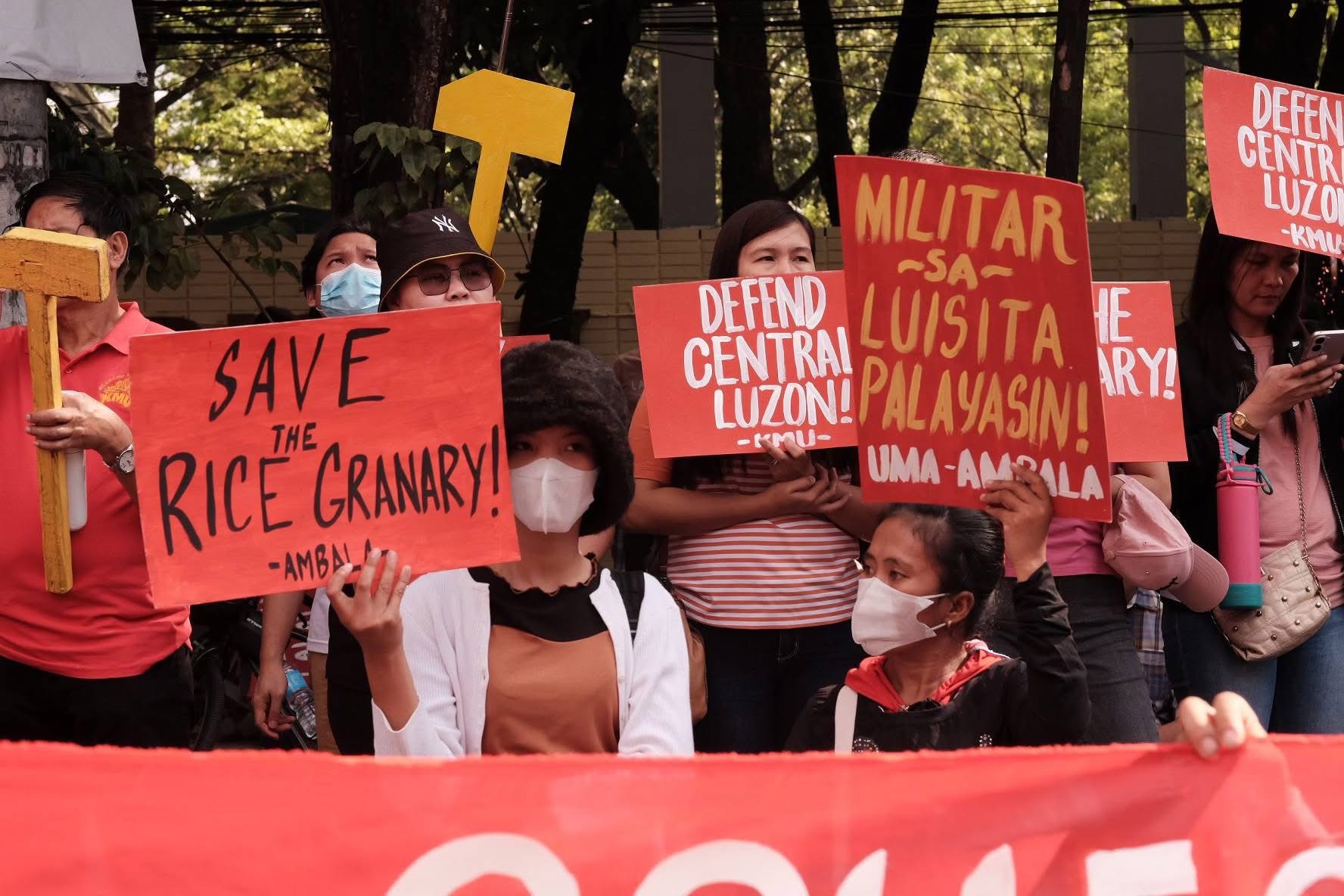
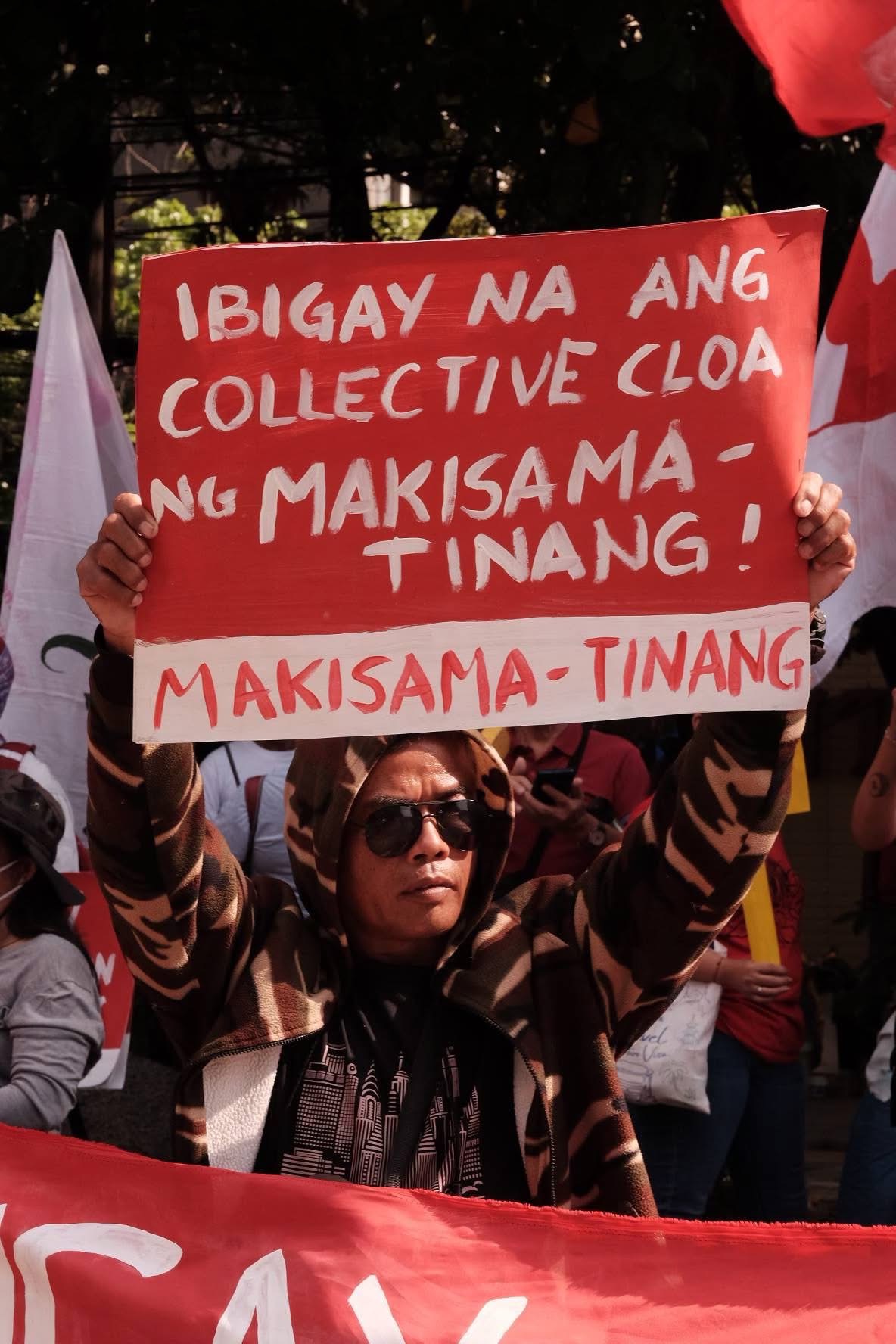
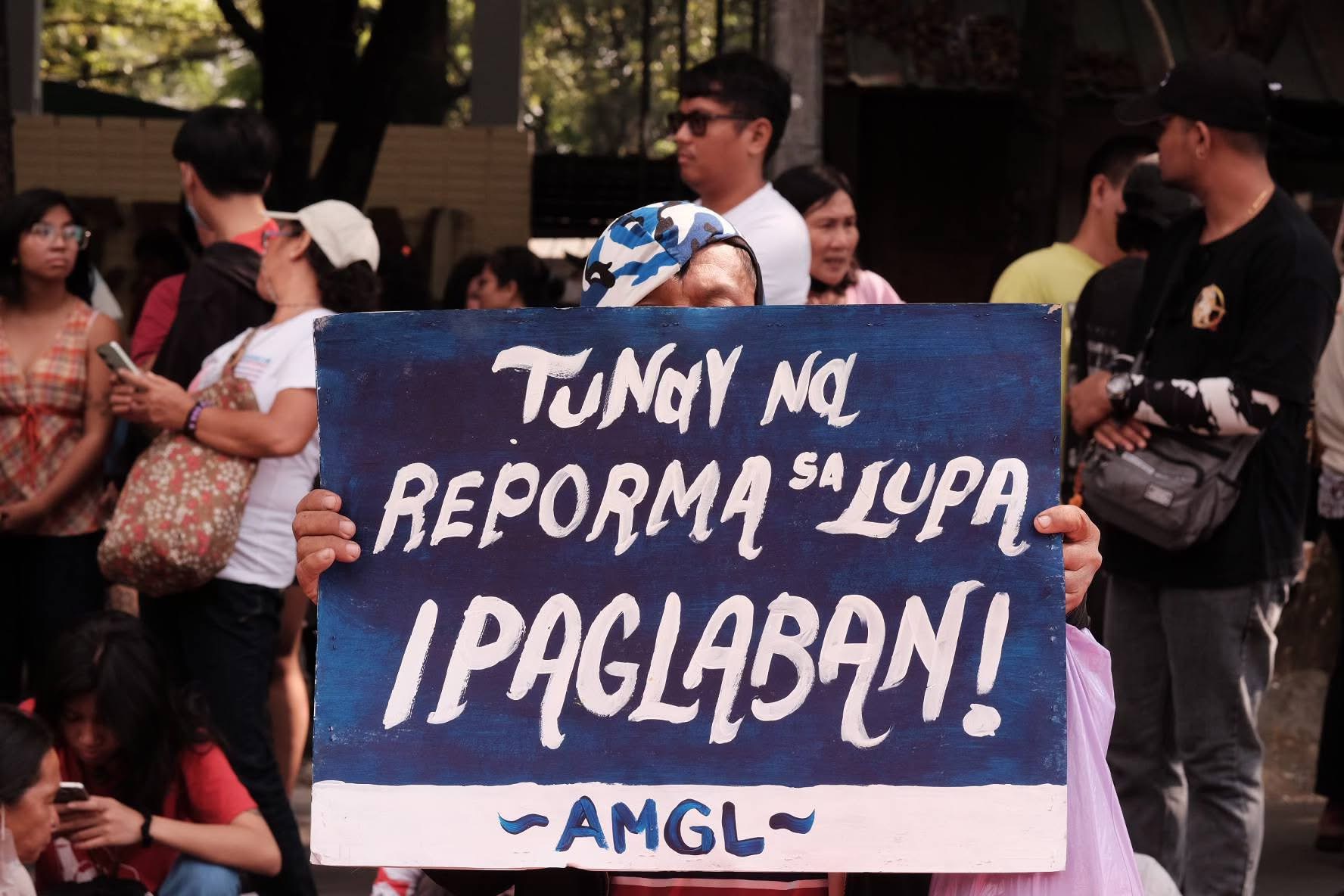

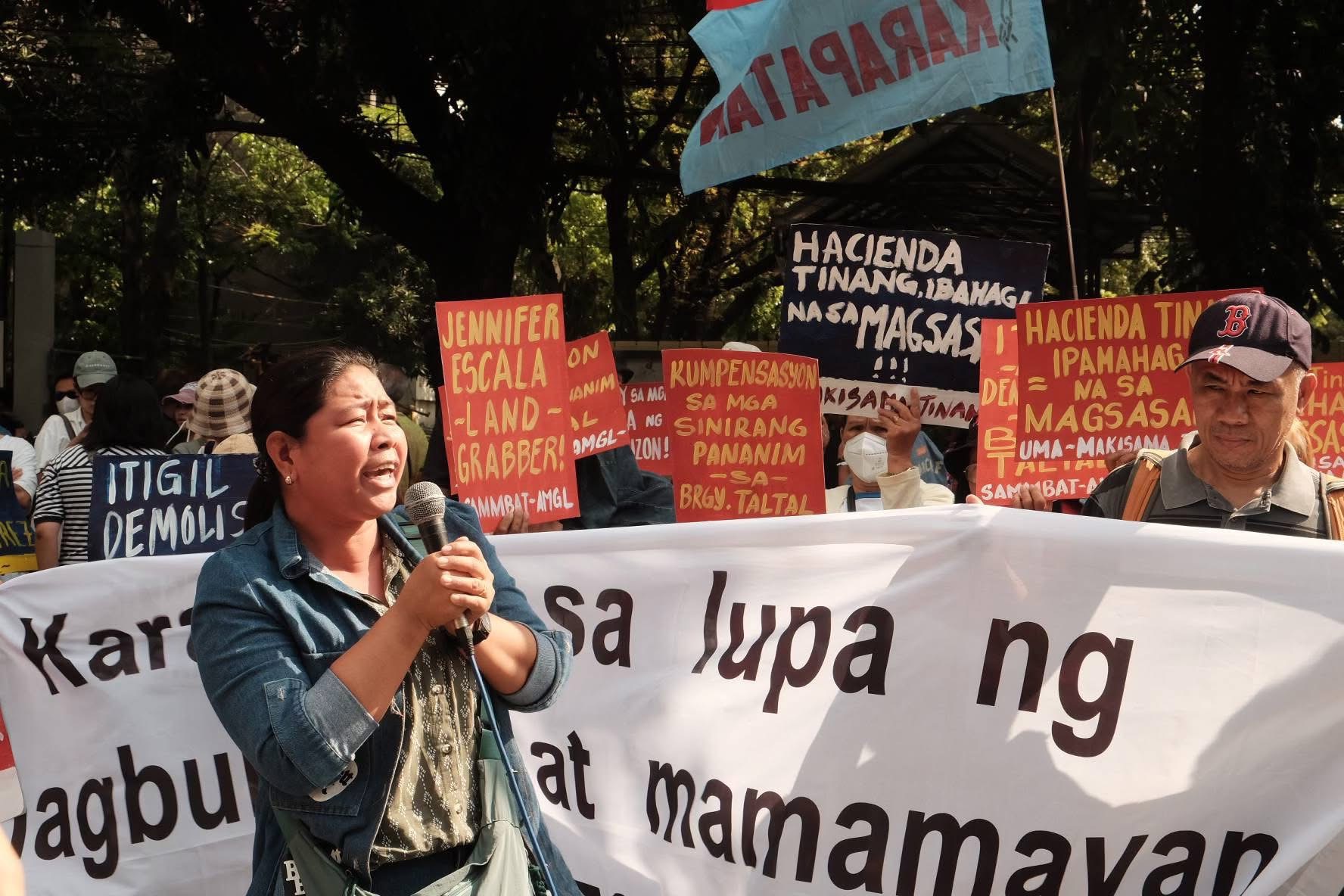
The Kilusang Magbubukid ng Pilipinas (KMP) has raised alarm over the growing threat to food security due to the Marcos government’s aggressive push for land conversion in Central Luzon, the country’s rice granary. The peasant group warns that the Build Better More (BBM) and Central Luzon Development Program’s (CLDP’s) infrastructure program’s focus on road networks, commercial hubs, and urban expansion will compromise the country’s rice self-sufficiency and put millions of Filipinos, especially farmers and sectors relying on agriculture for livelihood at risk.
Central Luzon contributes nearly 20% of the country’s total rice production and is home to the largest area harvested for rice production at 705,078 hectares in 2022. The region’s average rice yield of 5.13 metric tons (MT) per hectare is also the highest in the country, well above the national average of 3.97 MT. Despite this strategic importance, the Marcos administration’s BBM program has set the stage for massive land conversion, threatening rice production and rural livelihoods.
Shrinking farmlands in the country’s rice granary
Based on KMP’s analysis of the data from the latest Census on Agriculture and Fisheries (CAF), Central Luzon’s farmland area decreased from 446,176 hectares in 2012 to 363,906.859 hectares in 2022, reflecting a loss of 82,269 hectares or an 18.44% decline. This significant reduction suggests that land use conversion for urban development, infrastructure projects, and commercial expansion are driving the trend, as Central Luzon remains a key conversion hotspot for private and public infrastructure.
Projected losses in rice production
Two major expressway projects under the BBM scheme — the Central Luzon Link Expressway (CLLex) and the North Luzon East Expressway (NLEE) — are expected to lead to the loss of over 704 hectares of productive rice farms. The CLLex Phase 1 will remove at least 201 hectares of rice lands, causing an annual loss of approximately 1,031 metric tons (MT) of palay (unhusked rice). On the other hand, CLLex Phase 2 will remove an additional 233 hectares, translating to 1,199 MT. NLEE’s construction is projected to displace 470 hectares of farmlands, resulting in the loss of 2,411 MT of palay per year.
Combined, these two projects alone will result in the annual loss of 4,641MT of palay, equivalent to 3,017MT of milled rice. This loss is enough to feed over 27,461 rice consumers per year — larger than the official food-poor population of the provinces of Bataan, Pampanga, and Aurora combined.
“The Marcos administration is gambling with food security by sacrificing farmland for highways and commercial complexes,” said KMP chairperson Danilo Ramos. “Farmers have been warning about this for years, but the government has ignored them in favor of profit-driven development.”
KMP called on the government to immediately halt land conversion for infrastructure and commercial development, and redirect funds toward improving irrigation, farm mechanization, and post-harvest facilities to increase rice productivity, local food production and ensure stable farm incomes. ###
#StopLandUseConversion
#ResistLandGrabbing
#SaveTheRiceGranary
#LandToTheTillers
#clkampuhan2025

