


Farmers’ organizations across Western Visayas are intensifying their calls for stronger agricultural support and protection of food producers and local food systems. In both Iloilo and Negros Occidental, farmers are demanding the strengthening of local agriculture and production and preservation of sustainable, farmer-led agriculture.
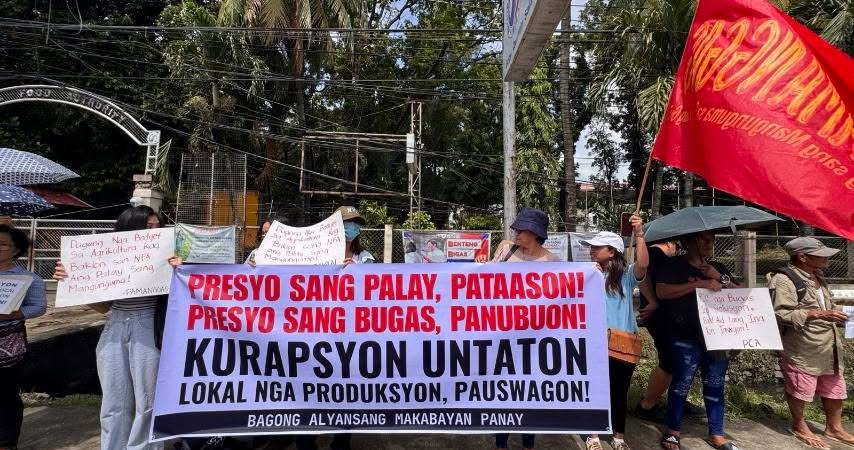
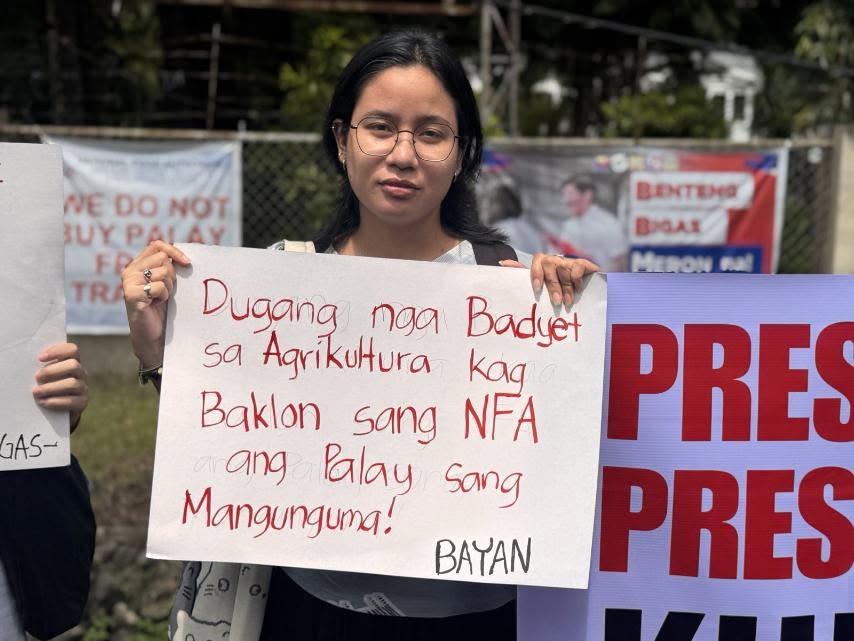
In Iloilo, members of KMP chapter PAMANGGAS-Panay and BAYAN-Panay led a picket protest outside the National Food Authority (NFA) in Jaro to demand higher farm gate prices for palay and stronger NFA procurement from local rice farmers. The group reiterated calls for the repeal of the Rice Liberalization Law (RLL), which they say has allowed cheap rice imports to flood the market, depressing local prices and worsening the livelihood crisis among rice farmers.
Once a top rice-producing province, Iloilo’s palay output fell sharply from 1.06 million metric tons in 2023 to 831,334 metric tons in 2024, largely due to the impact of El Niño and rising production costs. Farmers report that the cost of producing palay has climbed to P14.52 per kilogram, while farmgate prices have dropped to around P12 to P14 per kilogram, leaving them at a loss. They are urging the government to raise the NFA’s buying price and procure more palay from local farmers to ensure fair income and strengthen national food security.
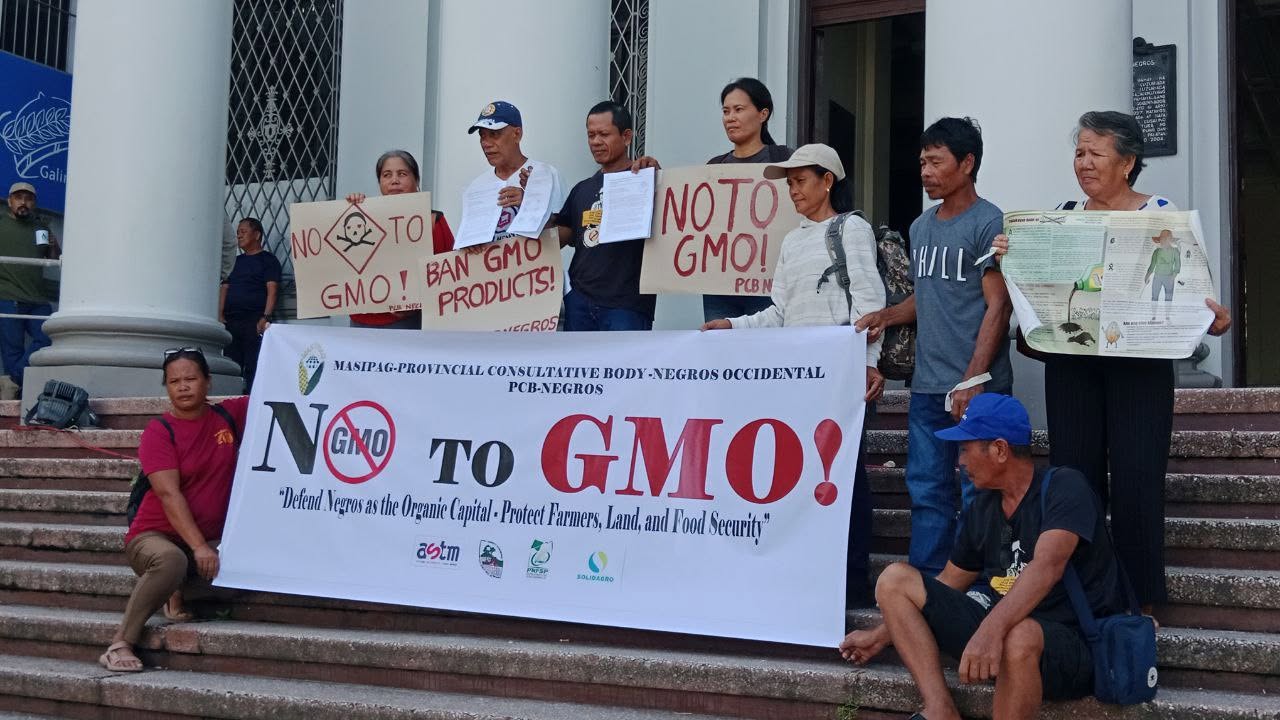
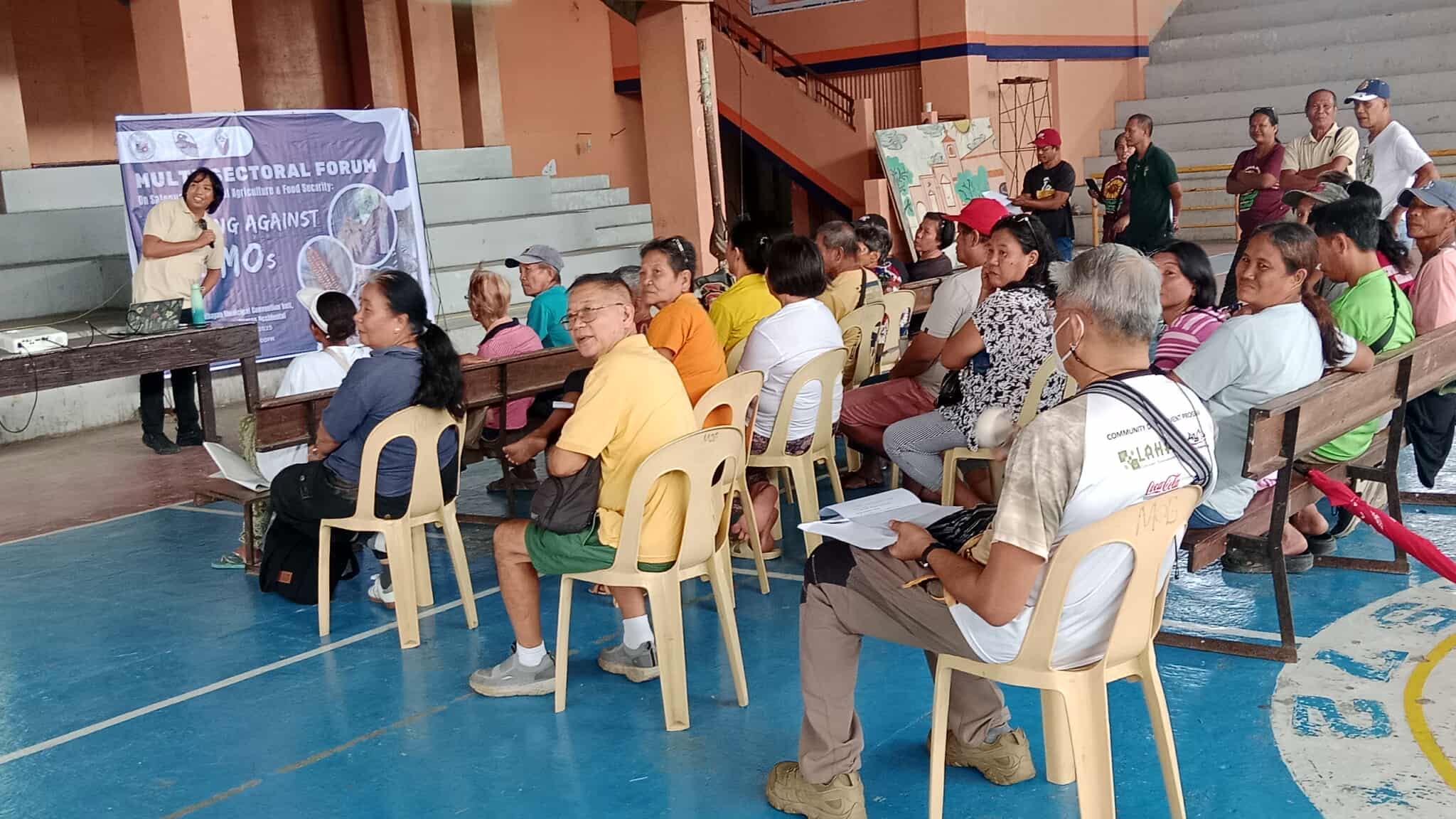
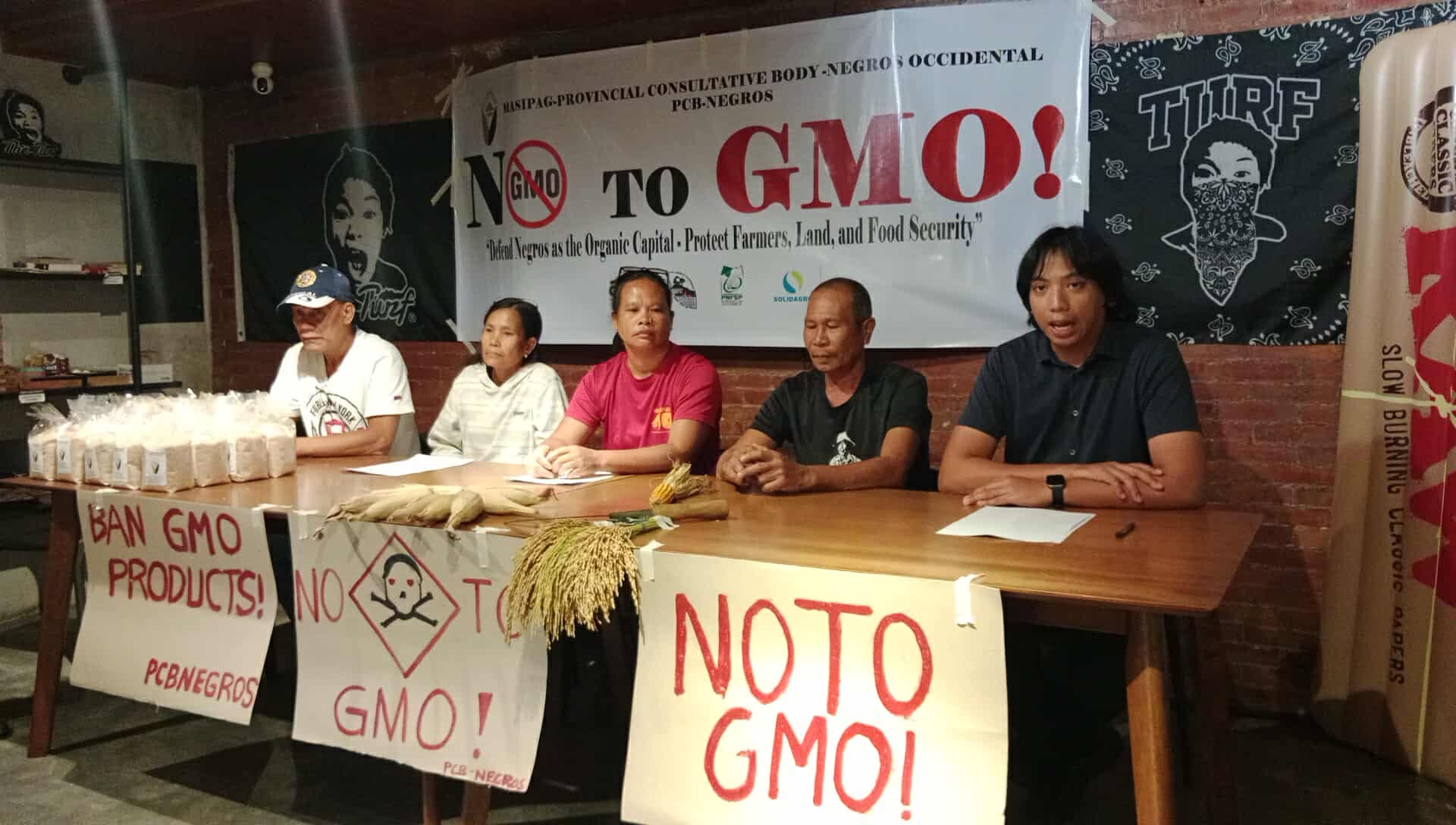
Meanwhile, in Negros Occidental, the fight to preserve the island’s GMO-free status continues to gain momentum. On October 7, the Provincial Consultative Body of the Magsasaka at Siyentipiko para sa Pag-unlad ng Agrikultura (MASIPAG)–Negros held a press conference and submitted an Open Letter to the Office of the Provincial Governor to reaffirm their strong opposition to the proposed GMO Regulatory Ordinance.
The proposed ordinance seeks to amend Provincial Ordinance No. 07, Series of 2007, which established Negros Occidental as a GMO-Free Province nearly two decades ago. Farmer leaders, scientists, and advocates warned that the ordinance would open the door to genetically modified crop cultivation, threatening farmers’ seed sovereignty, biodiversity, and the province’s identity as the Organic Capital of the Philippines.
Farmer-scientists and MASIPAG representatives including Elpidio Paglumotan, Eliseo Ruzol Jr., Myrna Decendario, Roman Aguilar, and Elecel Piadoche discussed the irreversible risks of GMOs to the environment, economy, and public health. They emphasized that GMO introduction would primarily benefit large agrocorporations, while leading to land grabbing, indebtedness, and loss of farmers’ control over their lands and seeds, as seen in other regions such as Panay.
Following the discussion, they formally submitted their Open Letter to the provincial government, urging officials to reject the ordinance and maintain the province’s GMO-Free status. The letter also called for renewed investment in organic agriculture, agroecology, and farmer-led innovation, asserting that true agricultural progress lies in empowering small farmers and protecting Negros’ ecological balance.
Across Western Visayas, these efforts reflect a strong people’s movement for food sovereignty, and farmers’ rights amid ongoing challenges and crisis in the agricultural sector caused by long-standing government neoliberal policies. ###

