
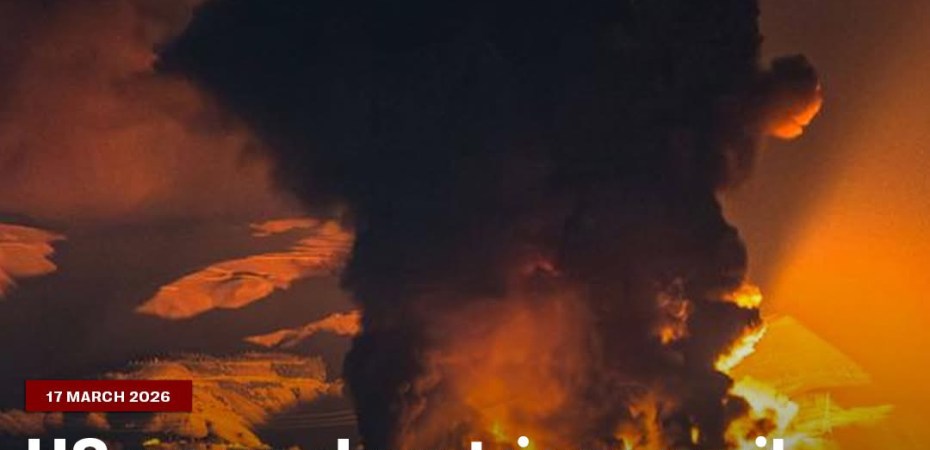
Peasant group Kilusang Magbubukid ng Pilipinas (KMP) said rising global oil prices triggered by the war launched by the United States and Israel against Iran are sharply increasing production costs for Filipino farmers and could push food prices higher in the Philippines.
Iran, one of the world’s largest oil producers and the third biggest member of the Organization of the Petroleum Exporting Countries (OPEC), has been directly affected by escalating hostilities in early March. Disruptions in oil production and the closure of the Strait of Hormuz, a key route for about 20% of global oil trade, have rattled global energy markets.
The Philippines, which relies heavily on imported fuel and maintains a deregulated oil industry, has already seen steep fuel price increases. In the past two weeks, diesel prices rose by more than P40 per liter while gasoline increased by more than P30 per liter.
“These fuel price hikes are devastating for farmers and fisherfolk who rely heavily on diesel for irrigation, farm machinery, transport and fishing operations,” said Danilo Ramos, KMP chairperson.
“When oil prices surge, the entire food production chain becomes more expensive. Farmers pay more for fuel, fertilizer and transport, while consumers face higher food prices,” Ramos said. He added that rice prices have already increased by around P2 per kilogram in some areas as transport and production costs rise.
KMP said higher oil prices could also lead to increased electricity costs, more expensive agricultural inputs, a weaker peso due to higher import costs, and broader economic pressure.
The group criticized the administration of Ferdinand Marcos Jr., saying its response to the crisis has been inadequate.
“The government is allowing weekly oil price increases under the Oil Deregulation Law of 1998 while continuing to impose VAT and excise taxes on petroleum products,” Ramos said. “This places a double burden on farmers, workers and ordinary consumers.”
Ramos said proposals such as emergency powers, a four-day work week and limited subsidies were temporary measures that would not address the underlying problem.
“These are band-aid solutions. The government is effectively asking people to tighten their belts while offering no substantial long-term response,” he said.
KMP also criticized the privatization and deregulation of key utilities, saying it has left strategic sectors largely under the control of private corporations.
“In the past, the government had greater control over key sectors such as oil, electricity and water. With deregulation and privatization, price decisions are largely left to private companies whose main interest is profit,” Ramos said.
The group also said government spending priorities should be reassessed as fuel and food prices rise.
“While the public faces rising prices, billions of pesos continue to be allocated to pork barrel infrastructure projects, confidential and intelligence funds, and counter-insurgency programs,” Ramos said.
KMP urged the government to remove or suspend VAT and excise taxes on oil, impose stronger price controls, and provide adequate fuel and production subsidies for farmers and fisherfolk.
“Without decisive government intervention, higher fuel costs will translate into higher food prices and worsening hunger,” Ramos said.
“The crisis created by imperialist wars abroad should not be paid for by Filipino farmers and consumers.”

