
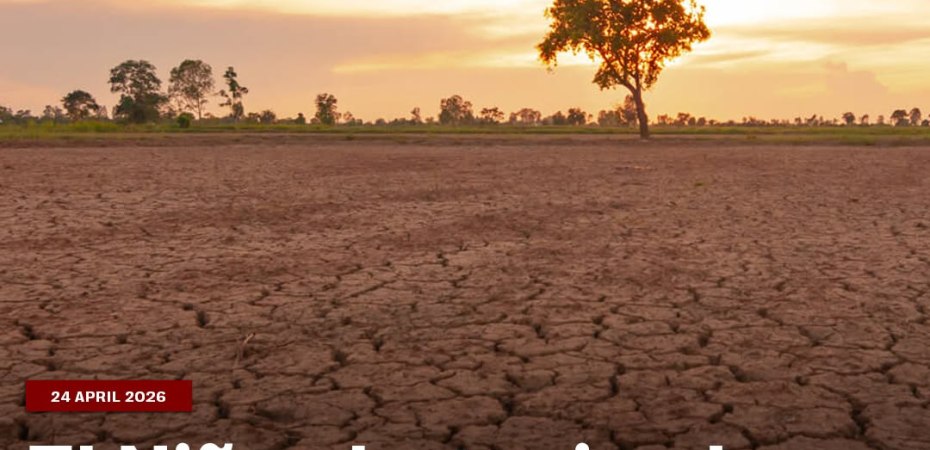
Farmers group Kilusang Magbubukid ng Pilipinas (KMP) warned that the escalating El Niño phenomenon is already inflicting damage on agricultural areas, with projections pointing to deeper losses in rice production and worsening hardship for farmers in the coming months and cropping season.
The Philippine Atmospheric, Geophysical and Astronomical Services Administration (PAGASA) has raised an El Niño Alert, with about a 79% chance of development between June and August 2026, possibly lasting into early 2027. The weather disturbance is expected to bring prolonged dry spells, below-normal rainfall, and drought conditions across major agricultural regions.
Even before its full onset, the impacts are already being felt on the ground. As of April 2026, several provinces have been placed under a state of calamity due to severe drought, including Abra, Apayao, Benguet, Ifugao, Ilocos Norte, Ilocos Sur, Isabela, Kalinga, La Union, Mountain Province, Nueva Ecija, Nueva Vizcaya, Pangasinan, Quirino, Tarlac, and Cagayan, which declared a state of calamity on April 20 due to drought and rising fuel costs. These areas are reporting significant agricultural damage and persistent rainfall deficits, forcing local governments to access emergency funds.
KMP said the widespread declarations expose how vulnerable Philippine agriculture is to climate shocks, especially with inadequate irrigation systems and very limited State support. Irrigation systems in vast areas are rain-fed and current dry to drought conditions are affecting production of major crops including rice, corn, and vegetables.
“Hindi pa man lubusang tumatama ang El Niño, ramdam na ng mga magsasaka ang epekto nito – tuyot na ang lupa, nababawasan ang ani, at nalulugi na ang produksyon,” said KMP Secretary General Ronnie Manalo.
The Department of Agriculture (DA) has already lowered its 2026 palay production target to 19.87 million metric tons (MMT), reflecting early disruptions linked to dry conditions. Rice production, which depends heavily on consistent water supply, is expected to take a significant hit if drought conditions persist through the main cropping seasons.
“Kapag tumindi pa ang El Niño sa mga susunod na buwan, mas malawakang pagbagsak ng produksyon ang haharapin natin. Direktang tatamaan ang suplay ng bigas at kabuhayan ng milyun-milyong magsasaka. Apektado rin ang konsyumer at mamamayan,” Manalo said.
Farmers are also grappling with rising fuel and input costs, making irrigation more expensive at a time when water sources are already shrinking. In drought-stricken provinces, many have begun reducing planting areas or delaying cropping cycles due to uncertainty in water availability.
KMP stressed that the crisis is not solely driven by extreme weather, but by longstanding neglect of the agricultural sector.
“Nananatili ang panawagan ng mga magsasaka na palakasin ang lokal na produksyon at pagtigil sa patuloy na pag-asa sa importasyon,” Manalo said.
The group called for urgent government intervention, including substantial subsidies for irrigation and fuel, free distribution of climate-resilient seeds, and immediate financial assistance for affected farmers. ###

