
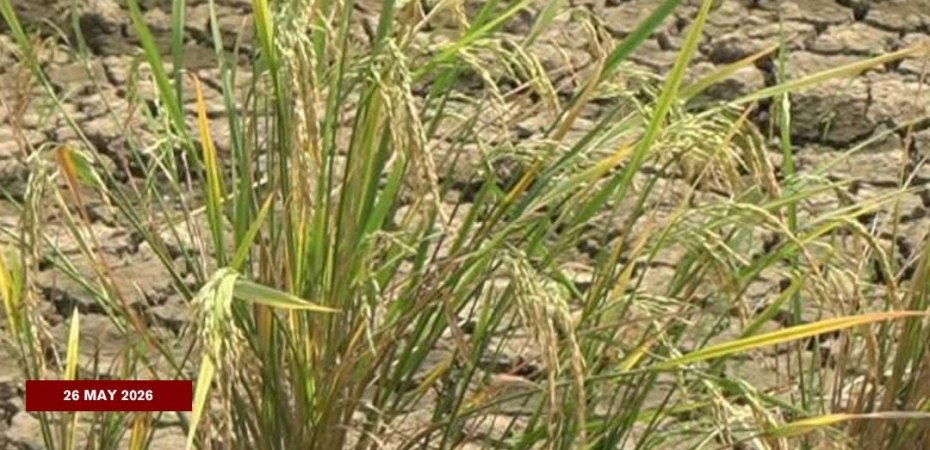
The Kilusang Magbubukid ng Pilipinas (KMP) warned that Filipino farmers and fisherfolk are once again confronting the threat of devastating crop losses, rising production costs, water shortages, and worsening hunger as climate agencies project the likely emergence of a super El Niño event by mid-2026.
KMP said the developing climate phenomenon threatens to repeat or even intensify the destructive impacts of previous El Niño episodes that caused billions of pesos in agricultural damage and severely disrupted food production across the country.
According to PAGASA and international climate monitoring agencies, El Niño conditions are likely to develop in the coming months and may persist into early 2027. Recent reports indicate that at least 49 areas nationwide, particularly in parts of the Visayas and Mindanao, are expected to experience below-normal rainfall conditions amid rising temperatures and worsening drought risks.
The peasant group stressed that rural communities remain highly vulnerable after the severe impacts of the 2023 to 2024 El Niño episode, which officially caused more than Php15.3 billion in agricultural losses nationwide and affected over 333,000 farmers and fisherfolk. Government data showed that more than 163,000 hectares of farmland were damaged during the previous El Niño period, resulting in hundreds of thousands of metric tons in production losses. Rice, corn, fisheries, sugarcane, and livestock sectors suffered significant damage, while several provinces declared states of calamity because of drought, crop failures, and extreme heat. The actual losses and damages could be higher.
Among the hardest-hit regions were Western Visayas, MIMAROPA, Isabela, Antique, Negros provinces, and parts of Mindanao, where prolonged dry spells reduced irrigation supply, dried up water sources, and devastated harvests.
“Farmers have not yet recovered from the last El Niño catastrophe, but another climate disaster is already approaching,” said Ronnie Manalo, secretary general of KMP.
“The previous El Niño destroyed crops, buried farmers deeper in debt, reduced incomes, and worsened hunger in rural communities. Thousands of small producers lost their harvests while food prices continued to rise. If the government once again fails to provide sufficient support, the situation could become even more severe,” Manalo said.
KMP noted that the Philippines experienced similarly destructive impacts during the 2015 to 2016 El Niño, one of the strongest globally since the late 1990s. That event caused agricultural losses amounting to tens of billions of pesos nationwide and triggered widespread drought conditions across Luzon, Visayas, and Mindanao.
The group said repeated El Niño disasters expose the chronic neglect of Philippine agriculture, including inadequate irrigation infrastructure, lack of production subsidies, dependence on imported food, and the absence of genuine land reform.
KMP also warned that the projected El Niño comes at a time when farmers are already struggling with rising fuel prices, expensive farm inputs, low farmgate prices, and worsening rural poverty.
Recent assessments by international agencies, including the World Food Programme (WFP), warned that the combination of climate shocks and rising global energy prices could intensify food insecurity and inflationary pressures in vulnerable countries like the Philippines.
“Every El Niño reveals how fragile and import-dependent Philippine agriculture has become,” Manalo added.
“Instead of strengthening local food production and supporting small farmers, the government continues to prioritize import liberalization policies while rural communities absorb the full burden of climate disasters, rising fuel prices, and food inflation.”
KMP called on the Marcos administration to immediately implement emergency assistance and long-term climate adaptation measures for farmers and fisherfolk, including direct production subsidies, cash assistance and compensation; guaranteed irrigation and water access in drought-prone areas; expanded full crop insurance coverage and halting of rice import liberalization policies; price controls on agricultural inputs and fuel; and genuine land reform and national industrialization measures to strengthen domestic food production. ###

