
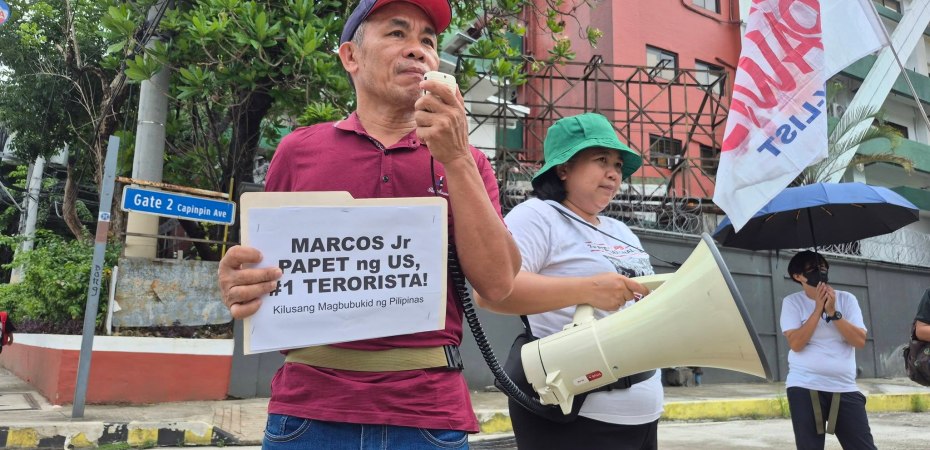
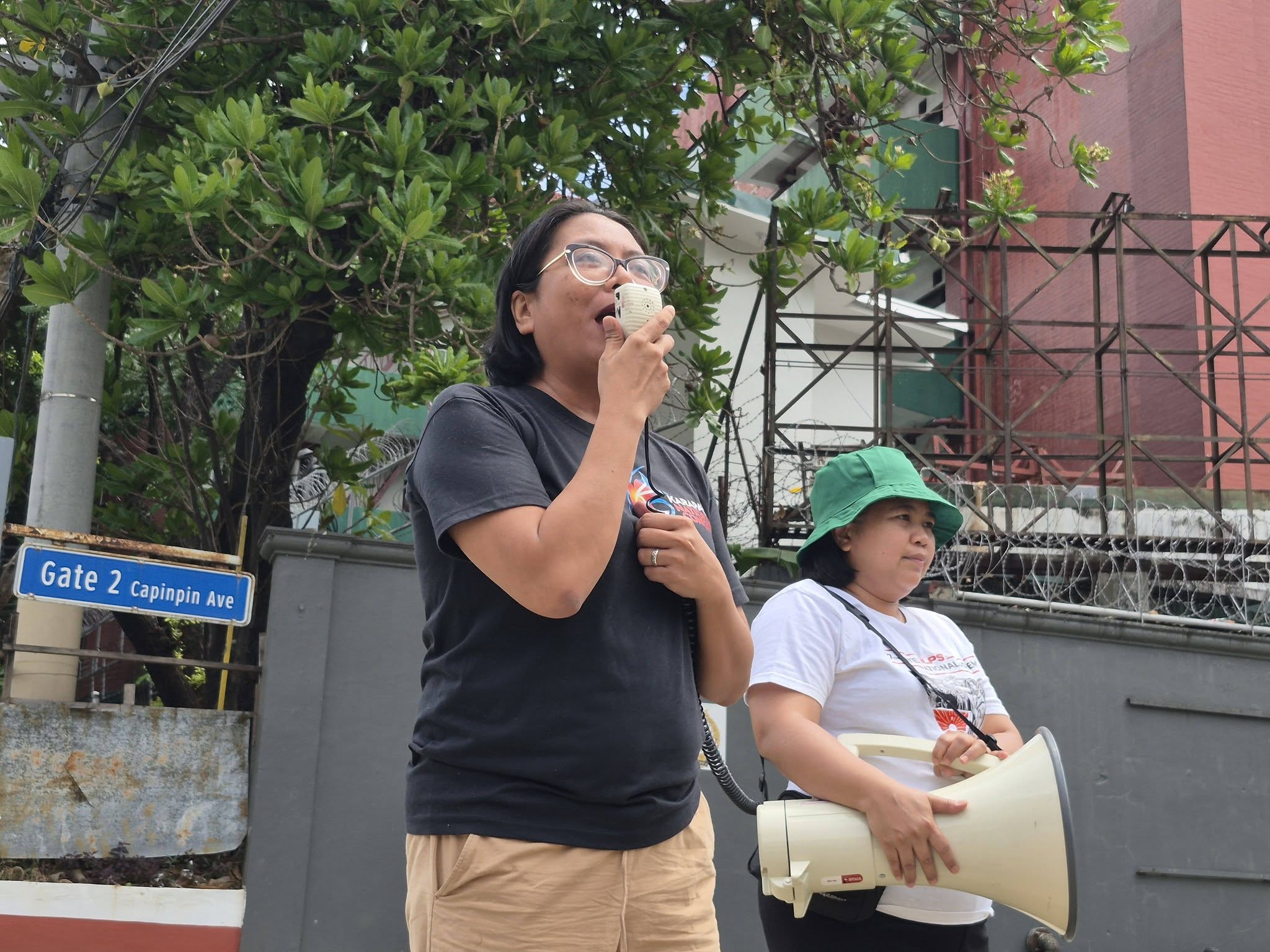
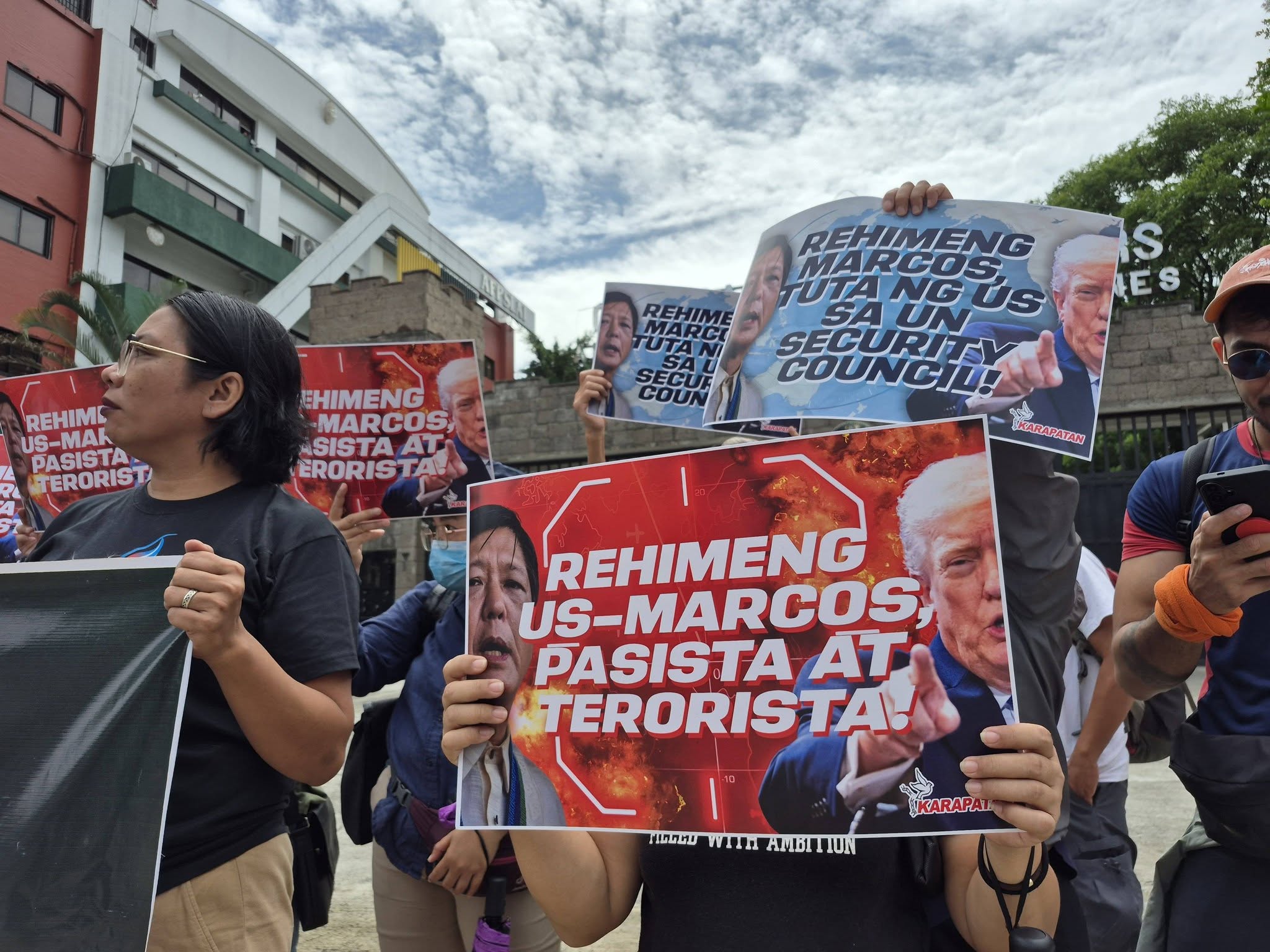
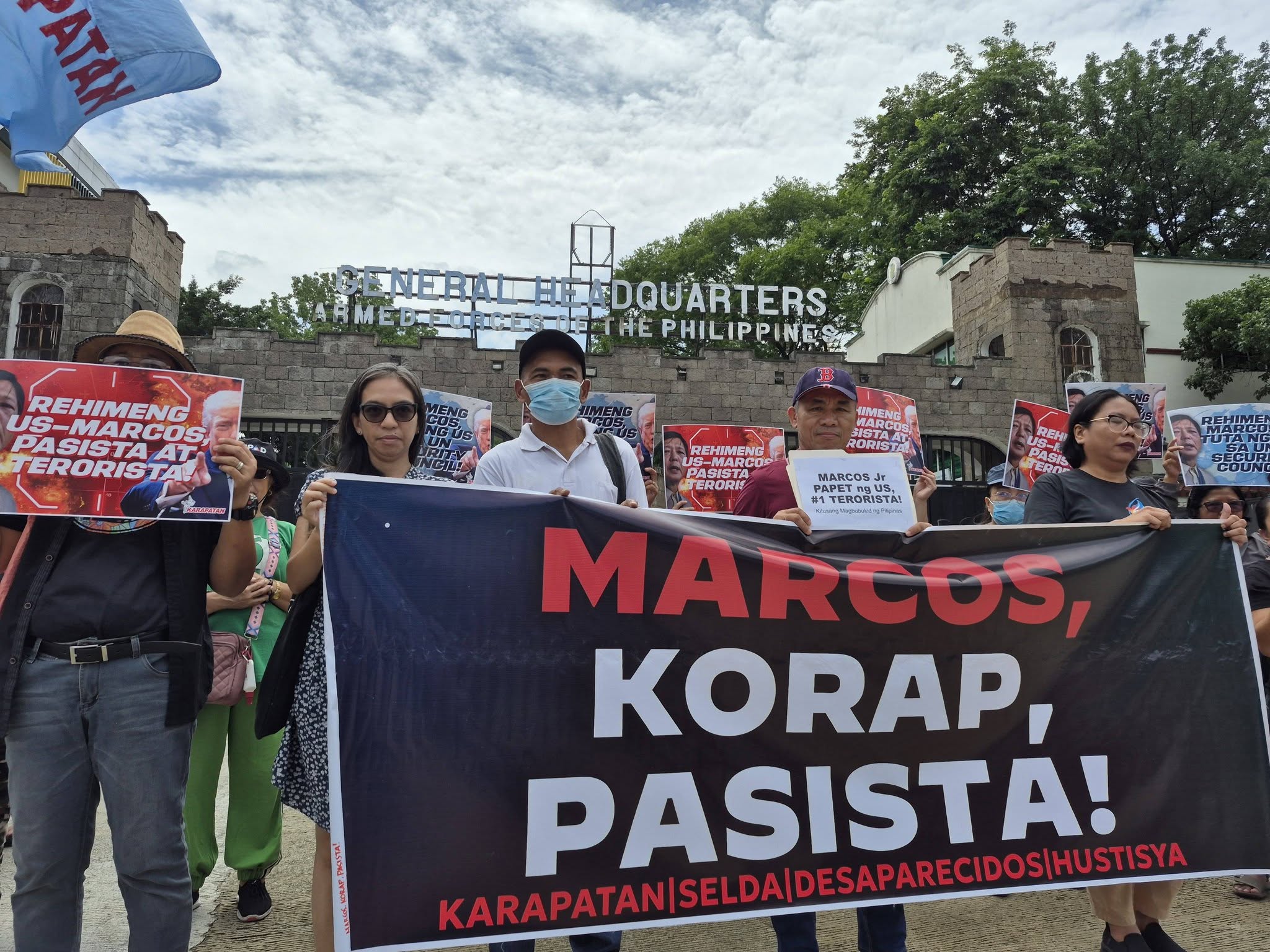
The Kilusang Magbubukid ng Pilipinas (KMP) welcomes the rejection of the Marcos Jr. administration’s bid for a non-permanent seat in the United Nations Security Council (UNSC), saying the outcome reflects the growing international condemnation of a regime mired in grave human rights violations, attacks against farmers and rural communities, and escalating militarization throughout the country.
The failed bid exposes the bankruptcy of the Marcos government’s attempts to project itself as a promoter of peace and international cooperation while waging an unrelenting war against the Filipino people, particularly peasants, indigenous peoples, workers, and human rights defenders.
“No amount of diplomatic maneuvering can conceal the reality that the Marcos regime continues to preside over widespread human rights violations and state repression. A government that terrorizes its own people has no place in a body tasked with maintaining international peace and security,” KMP said.
Across the countryside, peasant communities continue to endure de factor Martial Law, militarization, harassment, red-tagging, forced surrenders, arbitrary arrests, and extrajudicial killings under the government’s counterinsurgency campaign. Farmers asserting their right to land and livelihood are routinely branded as enemies of the state, exposing them to threats, violence, and persecution.
KMP stressed that militarization has become a defining policy of Marcos Jr.’s rule. Military detachments and combat operations have increasingly penetrated civilian communities, disrupting agricultural production, restricting freedom of movement, and creating an atmosphere of fear among rural residents.
“The Marcos administration has turned many peasant communities into virtual garrisons. Instead of addressing landlessness, poverty, and hunger, it responds to legitimate demands for social justice with bullets, intimidation, and military force,” the group said.
The peasant organization also condemned the continuing pattern of extrajudicial killings, enforced disappearances, illegal arrests, and political imprisonment under the Marcos government. These abuses have disproportionately affected activists, community organizers, land rights advocates, and members of people’s organizations fighting for genuine agrarian reform.
KMP further raised alarm over reports of civilian casualties and alleged violations of International Humanitarian Law (IHL) in military operations, including incidents that have drawn condemnation from human rights groups and independent fact-finding missions. Such allegations underscore the culture of impunity that persists under the current administration.
“International Humanitarian Law exists to protect civilians during armed conflict. Yet time and again, rural communities bear the consequences of indiscriminate military operations, the targeting of civilians, and the systematic disregard for fundamental human rights. This is evident in the Negros 19 massacre,” KMP said.
The group also criticized the Marcos administration’s deepening military dependence on the United States and its aggressive promotion of foreign military presence in the Philippines. Expanded military agreements, the construction and utilization of military facilities under EDCA, and increasingly large war exercises with U.S. and allied forces have transformed the Philippines into a forward operating platform for U.S. geopolitical interests in the Asia-Pacific region.
“Marcos Jr. has aligned the country ever more closely with U.S. military interests, sacrificing national sovereignty and exposing Filipino communities to the dangers of heightened geopolitical conflict. This is not the conduct of a peacemaker but of a regime facilitating foreign military intervention and regional instability,” KMP said.
For Filipino farmers, genuine peace cannot be achieved through militarization, repression, and foreign military intervention. Lasting peace requires addressing the root causes of armed conflict: landlessness, chronic poverty, social injustice, and the concentration of land and wealth in the hands of a few powerful families.
“The rejection of the Marcos government’s UNSC bid is a rebuke of its attempts to whitewash its record of repression and human rights abuses. The international community should not reward a regime that continues to violate the rights of its people while intensifying militarization in the countryside.”
KMP called on the international community to continue holding the Marcos administration accountable for its human rights record and to stand in solidarity with Filipino farmers and the broader people’s movement in their struggle for land, justice, national sovereignty, and genuine democracy. ###

