
The Kilusang Magbubukid ng Pilipinas (KMP) strongly condemns the ongoing US–Israel war of aggression in West Asia (Middle East) and calls for the immediate cessation of all attacks against Iran and Lebanon.
Since the February 28, 2026 US and Israel strikes on Iran, thousands of civilians have been killed or injured, alongside the widespread destruction of homes, farms, irrigation systems, and vital infrastructure.
Latest reports indicate that more than 2,000 people were killed in Iran, with casualties continuing to rise across Lebanon with more than 1,500 killed. Also in Lebanon, intensified Israeli bombardment has displaced over a million people, many from agricultural areas, worsening food insecurity and rural poverty. Across the region, attacks on civilian facilities – including schools, hospitals, and food systems highlight the devastating impact of war on ordinary people, especially peasants and rural workers.
Rural communities have been among the hardest hit, as farmers lose their livelihoods, crops, and capacity to sustain food production amid escalating bombings and military operations.
The ongoing war has turned vast agricultural areas into disaster zones. In Lebanon, where agriculture accounts for around 8% of the economy, more than a fifth of farmland has been destroyed, including at least 900 hectares of forests and productive land in the south. Reports of the use of incendiary weapons such as white phosphorus have further contaminated soil and rendered land unfit for cultivation, compounding long-term environmental damage.
Agricultural infrastructure has also been deliberately or indiscriminately targeted. Irrigation systems, machinery, and water networks, including those linked to the Litani River in Lebanon, have been damaged or destroyed.
Massive displacement has forced tens of thousands of farmers to abandon over 12,000 hectares of farmland, while movement restrictions and militarization prevent access to fields, disrupting planting and harvest cycles. As a result, at least 1.65 million people in Lebanon are facing crisis levels of food insecurity, according to reports.
In Iran, the war has disrupted not only the domestic agriculture but also regional and global food systems. Restrictions in vital shipping routes, including the Strait of Hormuz, have hindered the import and export of key agricultural inputs such as fertilizers and fuel. Iran, a major producer of urea and nitrogen-based fertilizers, has seen its exports constrained, contributing to rising global input costs. Increased prices for diesel, fertilizers, and machinery have forced many farmers to scale down production, leading to reduced yields and higher food prices.
Across West Asia, the environmental toll of war is severe and long-lasting. Forest fires, soil poisoning, and ecosystem destruction are reducing biodiversity and limiting future agricultural potential. The rehabilitation of damaged farmland will require enormous resources and time, further burdening already crisis-stricken economies.
As farmers in the Philippines, we recognize that wars of aggression overwhelmingly harm the poor and those who depend on land and food production for survival. The destruction of agriculture in West Asia reflects a broader pattern of imperialist wars that undermine food sovereignty, devastate rural livelihoods, and intensify global hunger.
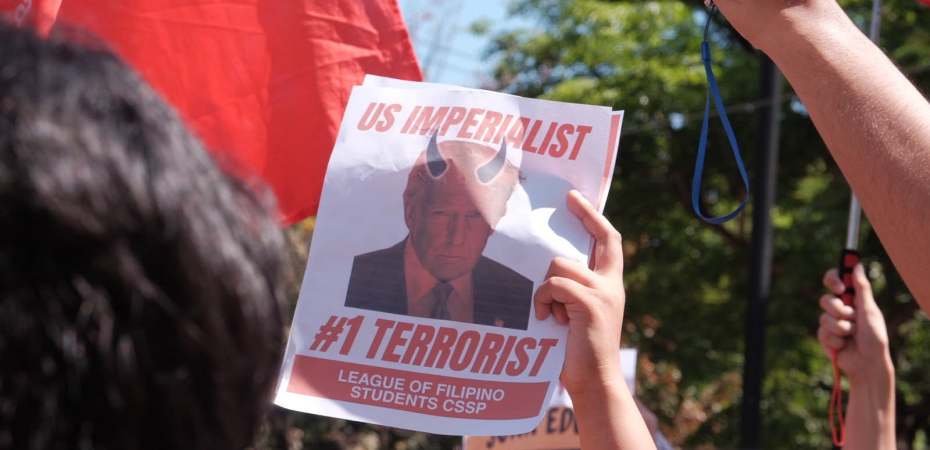
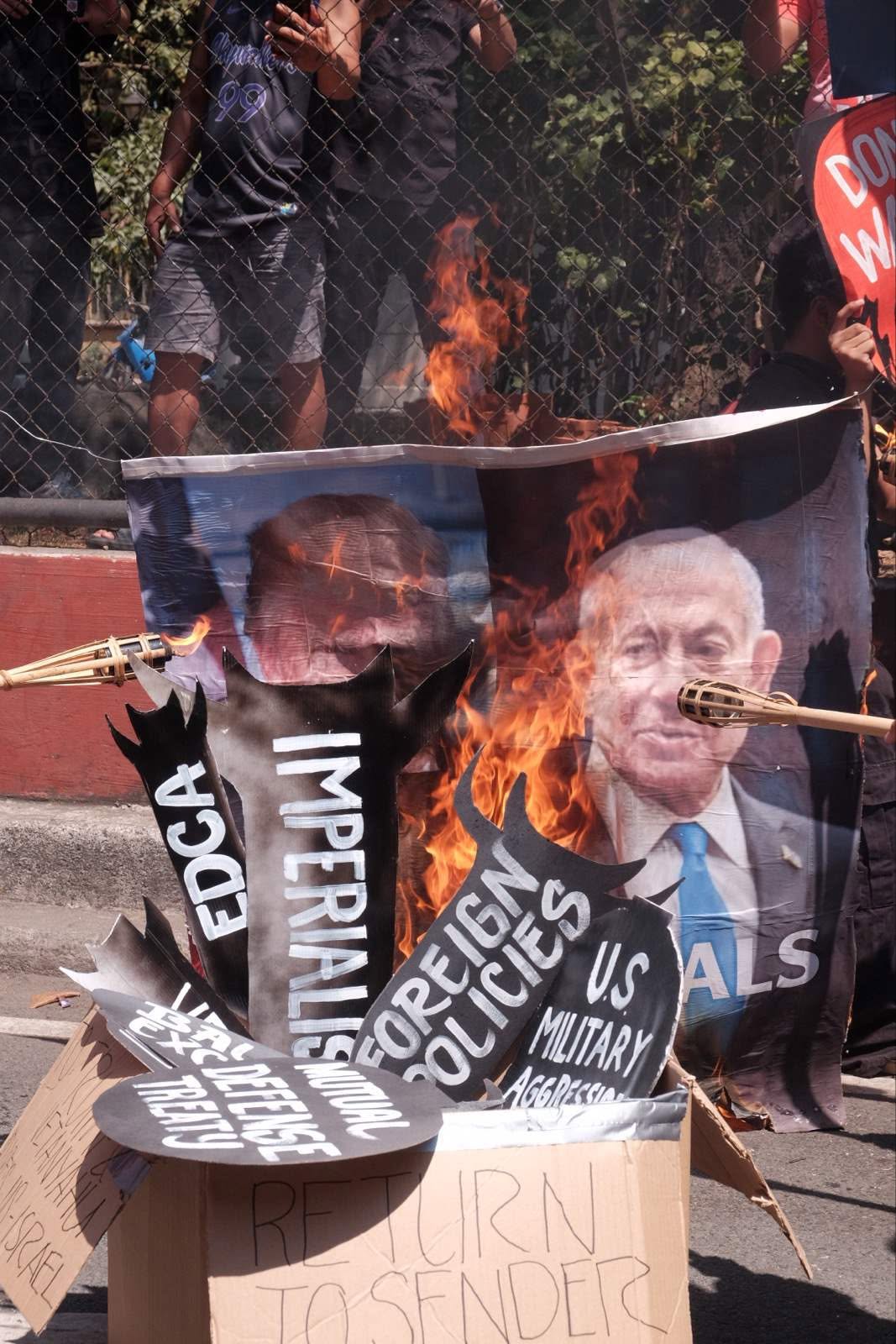
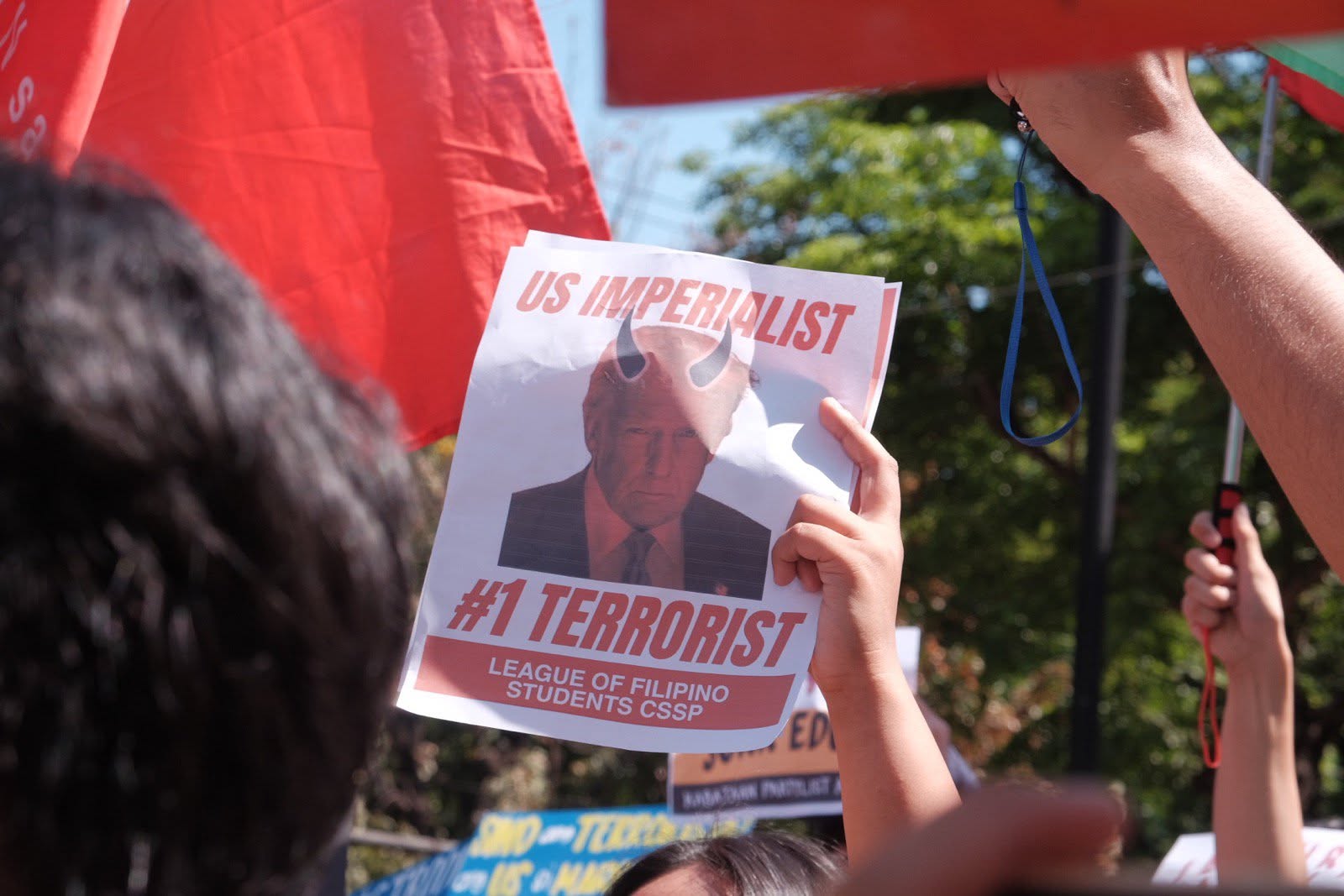
KMP also denounces the Philippine government’s continued support to the “devil-incarnate” US President Donald Trump and the United States government. Rather than serving as a forward base for the US military in Southeast Asia, the Philippines must prioritize achieving genuine agrarian reform, and strengthening local food production amid this global crisis.
KMP calls on Filipino farmers and the broader public to demand an immediate end to the attacks on Iran and Lebanon, oppose foreign military presence and war exercises in the Philippines, and stand in solidarity with farmers and rural communities in West Asia. The struggle for land, food sovereignty, and lasting peace must be advanced now more than ever. ###

